
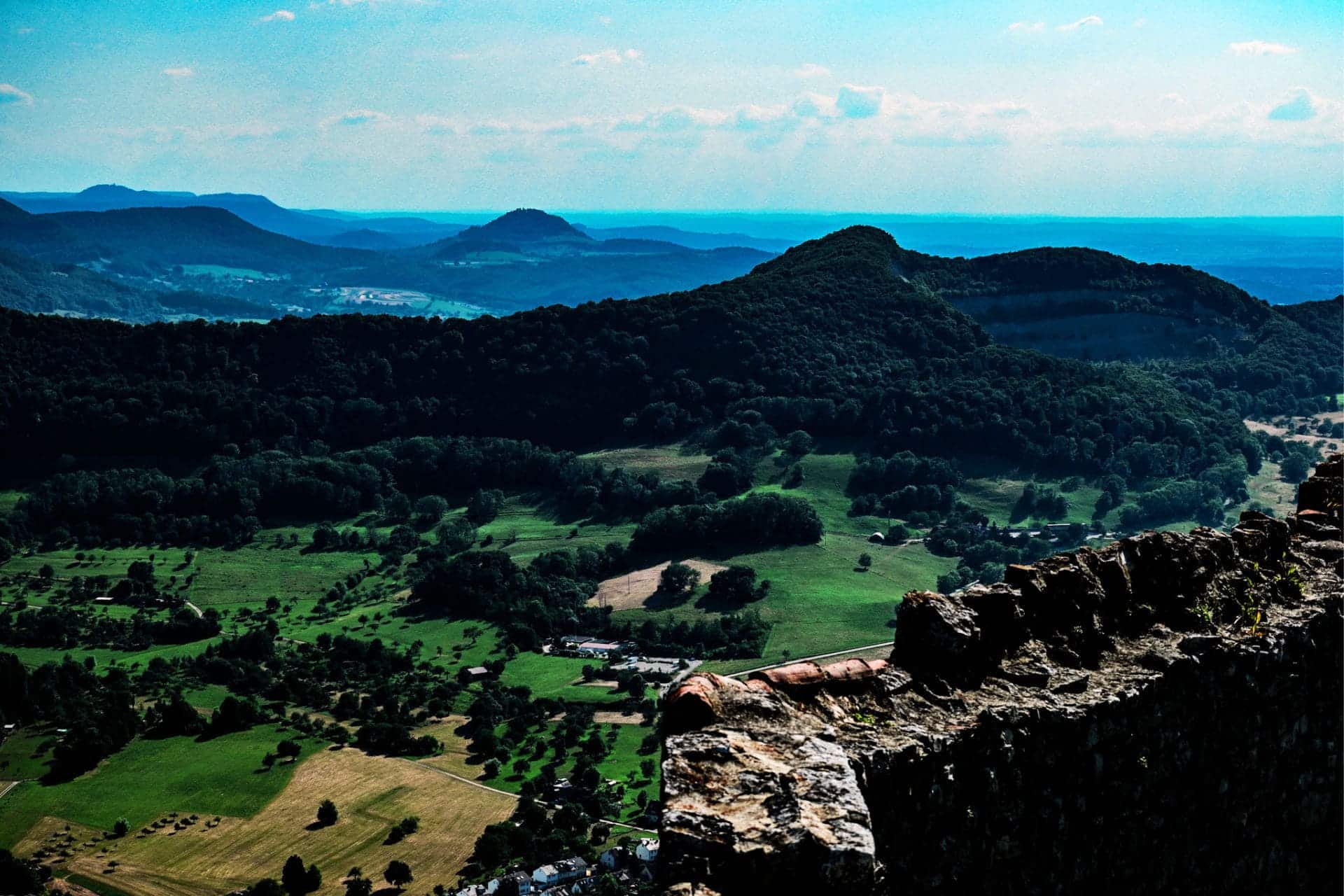
The Swabian Alb is made for a road trip where you do more than simply drive from one place to the next. This is a route for stopping often, looking closely, and letting the landscape tell its stories. Between Tübingen and Ulm, you will find half-timbered towns, castles perched along the Albtrauf escarpment, waterfalls, Baroque churches, mysterious caves, and traces of some of the oldest known works of art created by humans.
This road trip takes you through one of Baden-Württemberg’s most fascinating cultural landscapes: from the university town of Tübingen via Bebenhausen Monastery, Bad Urach, Lichtenstein Castle, and Hohenzollern Castle to Blaubeuren and Ulm. Along the way, you will experience several of the best-known Highlights of the Swabian Alb on a route that you can follow at your own pace. Nature, history, and culture are closely interwoven here: sometimes spectacularly along the Alb escarpment, sometimes quietly inside a monastery, and sometimes deep inside ancient caves.
This route is ideal if you want to discover the Swabian Alb not only as a day-trip region but as a travel destination for several days. Instead of covering long distances, you can take your time: for short hikes, viewpoints, cave visits, old-town strolls, museums, and relaxed breaks along the way.
In a Nutshell: What to Expect on This Route
Route: from Tübingen to Ulm
Duration: about 9 to 10 days for the main route
Extension: Return via Kirchheim unter Teck, Teck Castle, and Hohenneuffen Fortress, or take the larger loop via Sigmaringen, the Danube Valley, the Heuneburg, and Lake Federsee
Perfect for: Castles, caves, half-timbered towns, UNESCO World Heritage Sites, short (or longer) hikes and cultural history
Travel style: Independent, relaxed, and based on fixed overnight locations rather than changing hotels every day
Route Overview
Route:
Tübingen - Bebenhausen Monastery (7 km / 4 mi) - Bad Urach (35 km / 22 mi) - Lichtenstein Castle 23 km / 14 mi) - Hohenzollern Castle 45 km / 28 mi) - Zwiefalten (55 km / 34 mi) - Wimsen Cave (5 km / 3 mi) - Hohle Fels near Schelklingen 31 km / 19 mi) - Blaubeuren (6 km / 4 mi) - Ulm (21 km / 13 mi)
Time needed:
About 9 to 10 days for the main route from Tübingen to Ulm. If you return via Kirchheim unter Teck, Teck Castle, and Hohenneuffen Fortress, plan 1 to 2 additional days. For the larger loop via Sigmaringen, the Danube Valley, the Heuneburg, and Lake Federsee, 3 to 4 additional days make sense.
Total distance:
About 230 km / 143 mi plus detours
Perfect for:
Travelers who want to explore nature, culture, and history independently, with time for short hikes, viewpoints, historic places, caves, half-timbered towns, and relaxed breaks.
Best time to travel:
May to October, when the weather is pleasant, views are usually clear, and caves are accessible. The Swabian Alb is especially beautiful in spring and fall, when it is a little quieter and the landscape shows its most distinctive colors.
Looking for more carefully planned routes through Germany?
In my large overview article Road Trip Germany - The Most Beautiful Routes with Highlights and Map, you’ll find a collection of hand-picked itineraries through different regions of Germany.
Getting There: Stuttgart as a Practical Starting Point
If you are arriving from abroad or from another region of Germany, Stuttgart is the most practical gateway for this road trip. Stuttgart Airport lies south of the city, already on the “right” side for continuing toward Tübingen, Bad Urach, and the Swabian Alb. Stuttgart is also easy to reach by train; from there, you can continue to Tübingen or pick up a rental car directly.
Arriving via Frankfurt
For international travelers flying into Germany, Frankfurt Airport is often the first major hub. My Frankfurt Airport Guide has everything you need for a smooth arrival and onward journey.
It is worth planning one to two extra days in Stuttgart at the beginning or end of your trip. The city is often underestimated as a travel destination, but it offers interesting contrasts to the more rural Swabian Alb: Schlossplatz, the State Gallery, the market hall, the Mercedes-Benz Museum or Porsche Museum, the TV Tower, or a musical can all be built easily into a short stay.
Stuttgart is especially practical if you end your route with the extension via Kirchheim unter Teck, Teck Castle, and Hohenneuffen Fortress. From there, you are quickly back in the greater Stuttgart area and can either end your trip with a city stay or continue directly to the airport or train station.
If your time is limited, I would not necessarily include Stuttgart in the main route. For the Swabian Alb itself, Tübingen is the more atmospheric starting point. As an arrival point or extension, however, Stuttgart is ideal, especially if you want to add culture, museums, or automotive history to your trip.
How to Plan Your Swabian Alb Road Trip
To make sure your Swabian Alb road trip does not become a simple checklist of sights, you should avoid packing the route too full. The distances are manageable, but many places are best experienced slowly: with a walk through an old town, a detour to a viewpoint, a hike along the Albtrauf escarpment, or a museum visit.
The great advantage of this route is that you do not have to change hotels every day. For the main route from Tübingen to Ulm, two fixed bases are completely sufficient. If you want to add the larger loop via Sigmaringen, the Danube Valley, the Heuneburg, and Lake Federsee, a third base is worthwhile.
Plan with 2 to 3 Overnight Bases
For the smaller route from Tübingen to Ulm, I recommend two bases:
📍 Base 1: Tübingen or Bad Urach
Ideal for Tübingen, Bebenhausen Monastery, Bad Urach, Lichtenstein Castle, Hohenzollern Castle, and possible detours to Nebelhöhle Cave or Bärenhöhle Cave. Tübingen offers the lively atmosphere of a university town and good infrastructure, while Bad Urach lets you stay closer to nature while still being centrally located.
📍 Base 2: Ulm or Blaubeuren
Ideal for Blaubeuren, the Blautopf spring, the UNESCO caves, Zwiefalten, Wimsener Cave, Ulm, and Wiblingen Monastery. Blaubeuren is a good choice if you prefer a quiet setting close to nature. If you want a more urban base, Ulm offers excellent infrastructure while keeping Blaubeuren close enough for an easy day trip.
If you are planning the larger loop, add a third base:
📍 Base 3: Sigmaringen or Bad Saulgau
Ideal for Sigmaringen Castle, Inzigkofen Princely Park, the Upper Danube Valley, the Heuneburg, and Lake Federsee.
This way, you do not have to pack your bags every day and can explore each part of the region as relaxed day trips.
Do Not Pack Too Much into Each Day
On the Swabian Alb, it is worth slowing down. Many places only reveal their character if you give them time: the view from a castle ruin, the path through a cave, the silence inside a monastery, the light at the Blautopf, or the views from the Albtrauf escarpment.
For this route, I recommend:
- no more than two major highlights per day
- small spontaneous stops along the way
- enough time for hikes or walks and photo stops
- breaks in inns serving regional cuisine: lentils with Spätzle, sour tripe, or Maultaschen — this is real South Swabian comfort food.
The combination of nature and culture is what makes this road trip special. If you try to fit too much into one day, you quickly lose exactly what makes the route so appealing.
Consider the Season
In my opinion, the best time for this road trip is from May to October.
Spring: Flowering meadows, clear air, and the Alb before the main visitor season.
Summer: Ideal for hikes, cave visits, and the Schwörmontag in Ulm
Fall: For me, the most beautiful season on the Alb: soft light, colorful foliage, and fewer crowds. It is especially lovely around Bad Urach and on the Alb plateau
Winter: Possible, but the caves are closed. The Hohenzollern Castle with its Royal Winter Magic on the other hand, is a worthwhile excursion destination. Beautiful Christmas markets are available in Ulm, Stuttgart, Tübingen (3rd Advent weekend only) and Bad Urach (2nd Advent weekend only).
Adjust the Trip Length Flexibly
You can easily adapt this road trip to the time you have available.
7 to 8 days:
Focus on the main route and choose selectively: Tübingen, Bad Urach, Lichtenstein Castle, Hohenzollern Castle, Blaubeuren, and Ulm.
9 to 10 days:
Experience the full range of the route from Tübingen to Ulm, including Zwiefalten, Wimsen Cave, and Hohle Fels.
11 to 12 days:
Extend the route with the return via Kirchheim unter Teck, Teck Castle, and Hohenneuffen Fortress.
13 to 14 days:
Add the larger loop via Sigmaringen, Inzigkofen Princely Park, the Danube Valley, the Heuneburg, and Lake Federsee.
Who Is This Route Especially Good For?
This Saarland, Moselle & Upper Middle Rhine Valley road trip is ideal if you:
- love castles, palaces, monasteries and historic towns
- like combining nature and culture
- are interested in UNESCO World Heritage and early human history
- prefer traveling independently rather than in a group
- enjoy short (or longer) hikes, viewpoints and beautiful photo spots
- are looking for a varied route without long driving distances
The route is less suitable if you expect dramatic high-mountain panoramas, large cities, or lively nightlife. The Swabian Alb is quieter, more small-scale, and sometimes a little more understated than other German travel regions — but that is exactly what makes it so appealing.
Recommended Bases at a Glance
For this road trip through the Swabian Alb, I recommend fixed overnight bases from which you can explore individual sections of the route as relaxed day trips. The distances are not especially long - and for that very reason, it is worth avoiding constant hotel changes.
For the main route from Tübingen to Ulm, two bases are enough: one in the western part of the Swabian Alb and one in the eastern part. If you also want to include the larger loop via Sigmaringen, the Danube Valley, the Heuneburg, and Lake Federsee, add a third base in the south.
This allows you to adapt the route to your available time and your travel style: compact in 9 to 10 days or as a more extensive round trip with several additional stops.
1. Tübingen or Bad Urach – for the Western Part of the Route
Both Tübingen and Bad Urach are excellent choices for the beginning of your road trip. Each has its own character, and both are ideal starting points for the western Swabian Alb.
Tübingen is the right choice if you enjoy staying in a lively town. The historic old town, the Neckar riverfront, Hohentübingen Castle, the Collegiate Church, and the many cafés and restaurants make this university town an especially atmospheric starting point. From here, you can reach Bebenhausen Monastery quickly, and Bad Urach, Lichtenstein Castle, and Hohenzollern Castle can also be planned easily as day trips.
If you like strolling through lanes in the evening, going out to eat, or simply enjoying the atmosphere of an old university town, Tübingen is a very good fit. It is especially rewarding if you give Tübingen itself at least a full day rather than treating it as a quick stop. Tübingen also has a surprisingly varied museum scene.
Bad Urach is a better choice if you want a quieter base closer to nature. The small half-timbered town lies in the Ermstal valley below the Albtrauf escarpment and is a good starting point for Urach Waterfall, Hohenurach Castle Ruin, and other nature destinations around the central Swabian Alb. Lichtenstein Castle, Nebelhöhle Cave, and Bärenhöhle Cave are also easy to reach from here.
2. Ulm or Blaubeuren – for the Blautopf, UNESCO Caves, and the Danube
For the eastern part of the route, Ulm and Blaubeuren are both good bases. Again, both make sense, but they set different priorities.
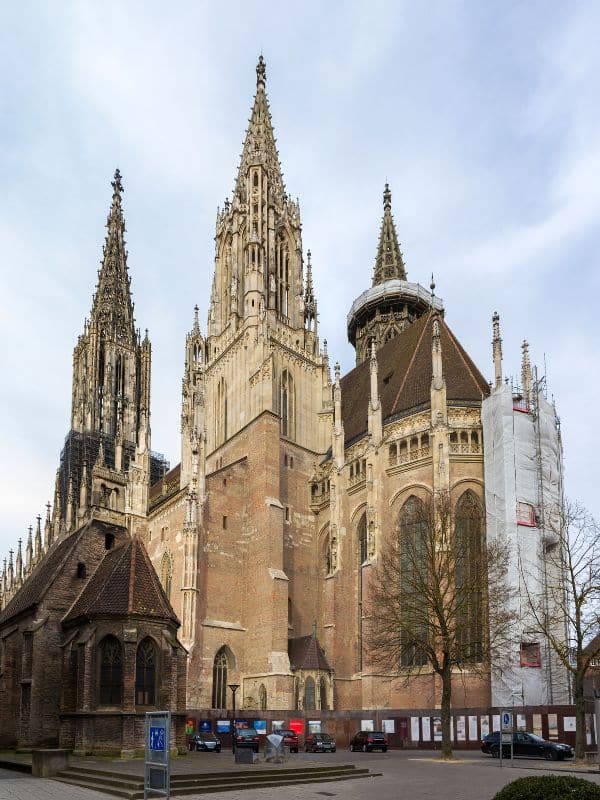
Ulm is ideal if you would like a little more city life, restaurants, museums, and infrastructure toward the end of the route. Ulm Minster, with the tallest church tower in the world, the Fishermen’s Quarter, the Danube, modern architecture, and nearby Wiblingen Monastery make Ulm a varied finale to this road trip.
From Ulm, you can easily reach Blaubeuren, the Blautopf, the UNESCO caves in the Ach and Lone valleys, as well as Zwiefalten and Wimsener Cave. Ulm is also especially practical if you want to continue by train after the trip or extend your route toward Bavaria, Lake Constance, or Stuttgart.
Blaubeuren is the quieter and more contemplative alternative. The Blautopf spring, Blaubeuren Monastery, and the proximity to several Ice Age art sites make it a particularly fitting base if you are interested in the UNESCO World Heritage Site “Caves and Ice Age Art in the Swabian Jura.” The Prehistoric Museum in Blaubeuren presents unique finds from the caves in the Ach and Lone valleys, including the famous “Venus of Hohle Fels,” the oldest known female figurine, about 40,000 years old.
Blaubeuren is a small town, and that is part of its charm. If you walk around the Blautopf in the morning or evening, you will experience the place much more quietly than during the busiest visiting hours. For anyone who prefers a smaller town and wants nature, a monastery complex, and prehistory right on the doorstep, Blaubeuren is a beautiful choice.
Note: Since 2024 and expected until 2028, the Blautopf area has been undergoing renovation and is only partly accessible. You can find the current status on the Blautopfsanierung Blaubeuren website.
3. Sigmaringen or Bad Saulgau – for the Larger Extension Loop
If you want to include the extension loop via Sigmaringen, the Danube Valley, the Heuneburg, and Lake Federsee, a third base is worthwhile. For this, I recommend Sigmaringen or Bad Saulgau.
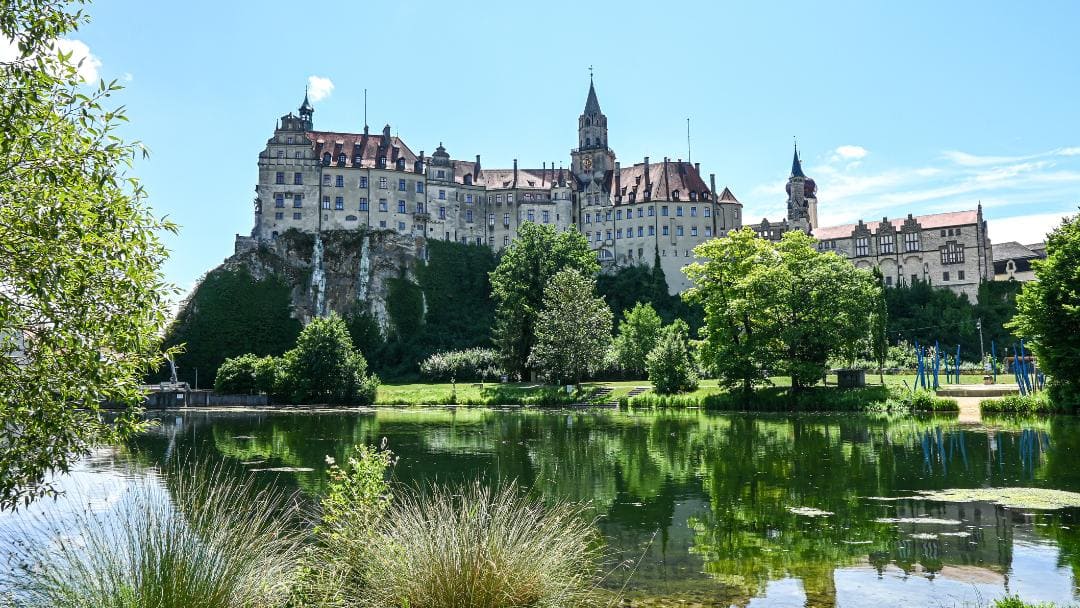
Sigmaringen is the more scenic and atmospheric choice. The castle towers above the Danube and is one of the most striking buildings in this part of Baden-Württemberg. From here, you can easily explore Inzigkofen Princely Park, the Upper Danube Valley, Beuron, and other destinations along the Danube.
If you like staying in a place that is already a real highlight in itself, Sigmaringen is a very good fit. The combination of castle, Danube, rocky landscape, and walks in Inzigkofen Princely Park is especially appealing.
Bad Saulgau is more strategically located if you want to combine several destinations in the extension loop. From here, you can reach not only Sigmaringen and Inzigkofen, but also the Heuneburg, Lake Federsee, and Bad Buchau. The town is less spectacular than Sigmaringen, but it has a friendly atmosphere and can be a very practical base for this southern extension of the route.
If you want to experience the extension loop mainly for scenery and atmosphere, I would choose Sigmaringen. If you want the most practical base between the Danube Valley, the Heuneburg, and Lake Federsee, Bad Saulgau is ideal.
Which Combination of Bases Suits You?
For the classic main route, this combination is completely sufficient:
Tübingen or Bad Urach + Ulm or Blaubeuren
With these two bases, you can cover the most important stops between Tübingen and Ulm without moving every day.
If you want to turn the route into a longer round trip, add:
Sigmaringen or Bad Saulgau
Then you have three bases and can experience the Swabian Alb much more extensively — with castles, caves, Baroque architecture, the Danube Valley, Celtic history, and prehistoric pile dwellings at Lake Federsee.
My personal recommendation would be:
Tübingen + Blaubeuren or Ulm + Sigmaringen
This way, you combine a university town, UNESCO Ice Age art, the Danube, and the Hohenzollern castles into an especially varied route.
Accommodation for Your Swabian Alb Road Trip
You do not have to change hotels every day on this road trip. That is exactly what makes the route so pleasant: you can work with fixed bases and plan the individual stages as day trips.
For the main route, I recommend choosing two overnight bases — one in the western part of the Swabian Alb and one in the eastern part. If you want to include the larger loop via Sigmaringen, the Danube Valley, the Heuneburg, and Lake Federsee, a third base is worthwhile.
Note: If you book through one of my accommodation links, I receive a small commission. The price remains the same for you. This helps support my work on this travel blog — thank you!
Hotels in Tübingen or Bad Urach
Tübingen and Bad Urach are especially good bases for the western part of the route. Tübingen is ideal if you like strolling through a lively old town in the evening, going out to eat, or staying directly in one of Germany’s most beautiful university towns. Bad Urach is the quieter, more nature-oriented alternative at the Albtrauf escarpment - perfect if you want to focus more strongly on the waterfall, spa park, Hohenurach Castle Ruin, and Lichtenstein Castle.
View accommodations in Tübingen*
View accommodations in Bad Urach*
Hotels in Ulm or Blaubeuren
For the eastern part of the route, Ulm and Blaubeuren are the most practical bases. Ulm offers more choice, restaurants, museums, and very good transport connections. Blaubeuren is smaller and quieter, but especially atmospheric if you want to stay close to the Blautopf, the monastery, and the Ice Age art sites.
View accommodations in Ulm*
View accommodations in Blaubeuren*
Hotels in Sigmaringen or Bad Saulgau
If you plan the larger extension loop, Sigmaringen and Bad Saulgau are good options for a third base. Sigmaringen is more scenic and lies directly on the Danube, with the castle as a striking landmark. Bad Saulgau is strategically practical if you want to combine Sigmaringen, Inzigkofen, the Heuneburg, Bad Buchau, and Lake Federsee.
View accommodations in Sigmaringen*
View accommodations in Bad Saulgau*
The Route to Follow
With this map, you can navigate your Swabian Alb road trip flexibly and adapt individual stages spontaneously.
In my article How to Plan a Route with Google Maps I show you step by step how to save the map to your phone and make adjustments.
Highlights Along the Route
On this road trip, you will experience some of the best-known sights of the Swabian Alb - from Tübingen and Bad Urach via Lichtenstein Castle and Hohenzollern Castle to Blaubeuren, Ulm, and the caves of Ice Age art. To keep the route easy to follow, I have grouped the highlights by the recommended bases.
This will give you a better idea of which destinations you can combine well and where several overnight stays are particularly worthwhile.
👉 Even more ideas for your trip across the Swabian Alb
In this article, I introduce the most important stops along this road trip. If you want to dive deeper into the region, you will find many more sights, excursion destinations, viewpoints, caves, towns, and cultural places in my large overview 52 Highlights of the Swabian Alb (Swabian Jura) - The Ultimate Guide - ideal if you want to extend or customize your route.
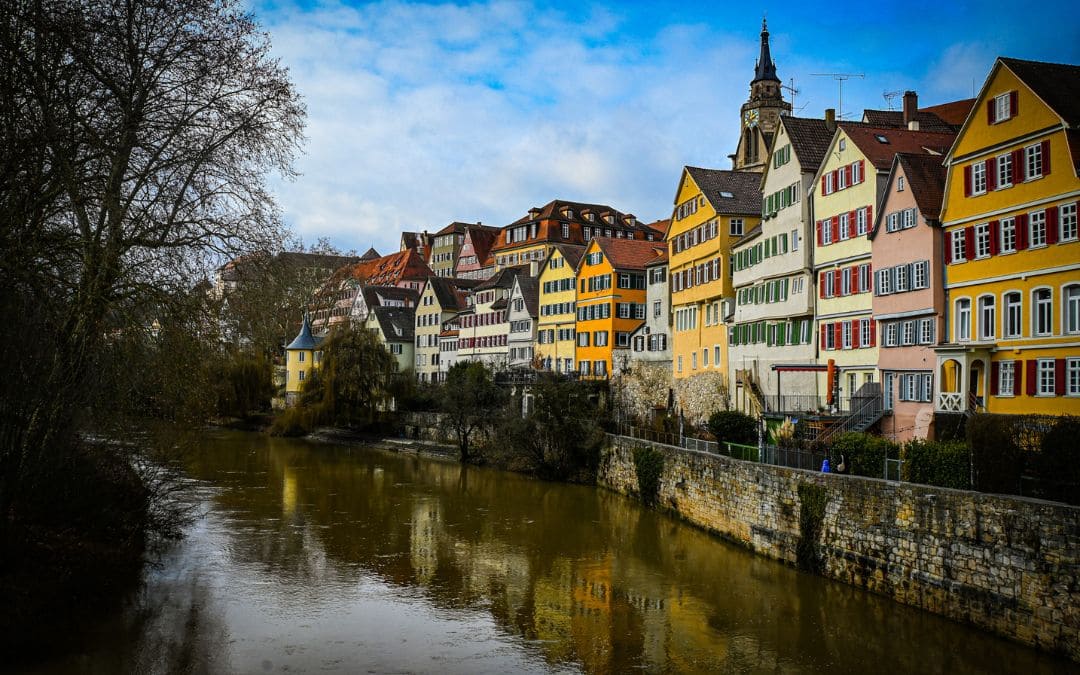
Tübingen
Historic university town with an old town, market square, Hohentübingen Castle, the Neckar riverfront, and traditional Stocherkahn punts. It is an especially beautiful place to begin your road trip because it combines town history, atmosphere, and culture so well.
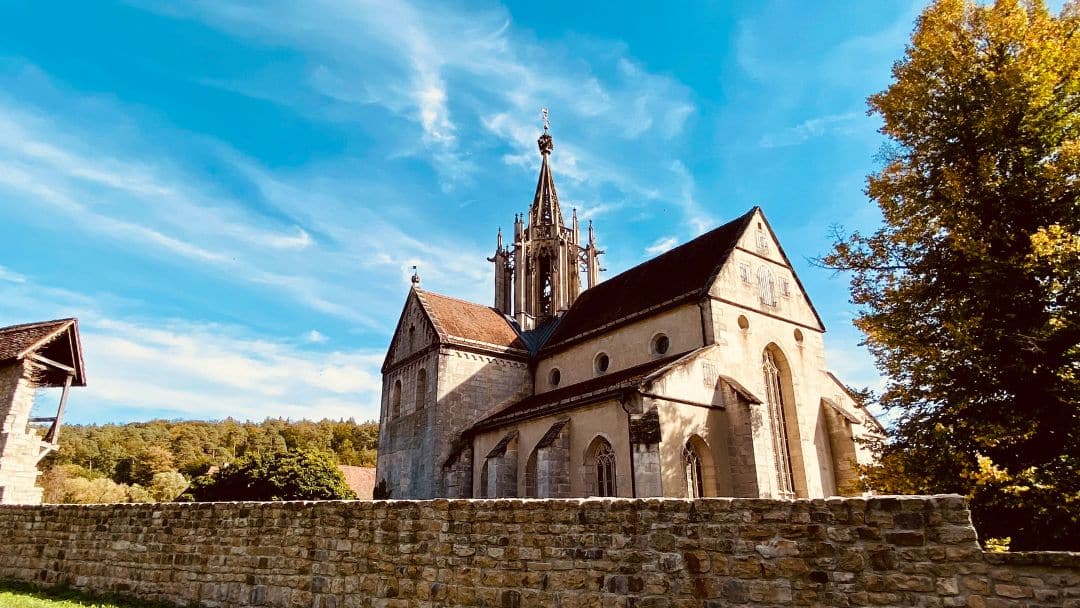
Bebenhausen Monastery
Former Cistercian abbey and later hunting lodge of the kings of Württemberg in the Schönbuch forest. The complex, with its cloister, monastery church, and half-timbered architecture, is one of the most atmospheric monastery sites in Baden-Württemberg.
Bad Urach
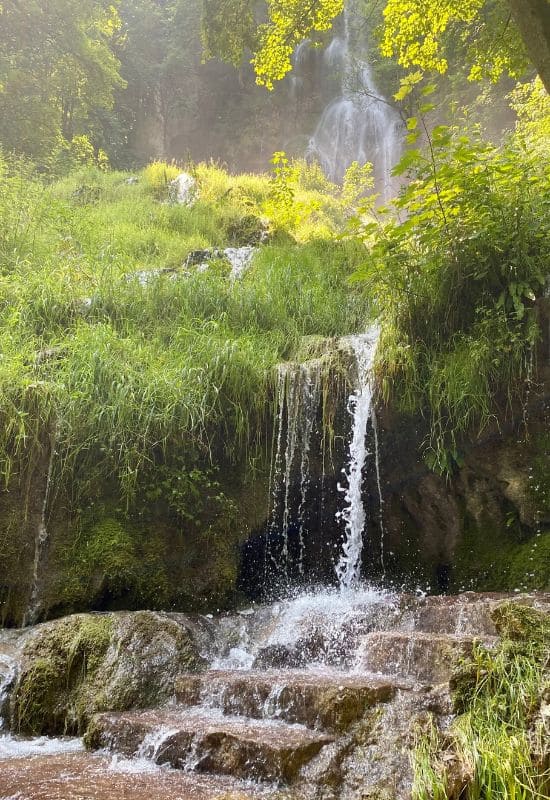
Half-timbered town at the foot of the Albtrauf escarpment with a spa park, historic market square, and a good location for nature excursions. Urach Waterfall and Hohenurach Castle Ruin are especially well known.
Urach waterfall & Hohenurach castle ruins
One of the most beautiful combinations of nature and views on the Swabian Alb. The waterfall is particularly impressive in spring or after rainfall, while the castle ruin rewards the climb with wide views into the Ermstal valley.
Lichtenstein Castle
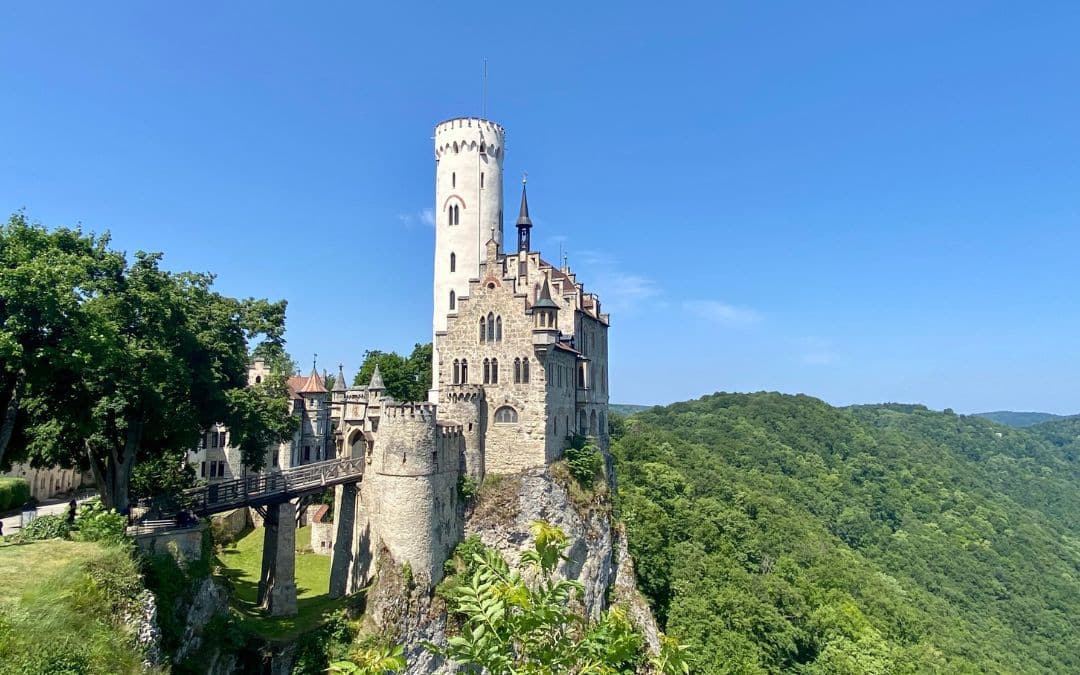
Neo-Gothic castle on a cliff above the Echaz valley and one of the most photographed landmarks of the Swabian Alb. The views from the Gießstein viewpoint and from the ruins of Alt-Lichtenstein are also especially beautiful.
Nebelhöhle Cave and Bärenhöhle Cave
Two well-known dripstone caves near Sonnenbühl that combine well with Lichtenstein Castle. They are ideal if you want to include a classic cave visit on your route.
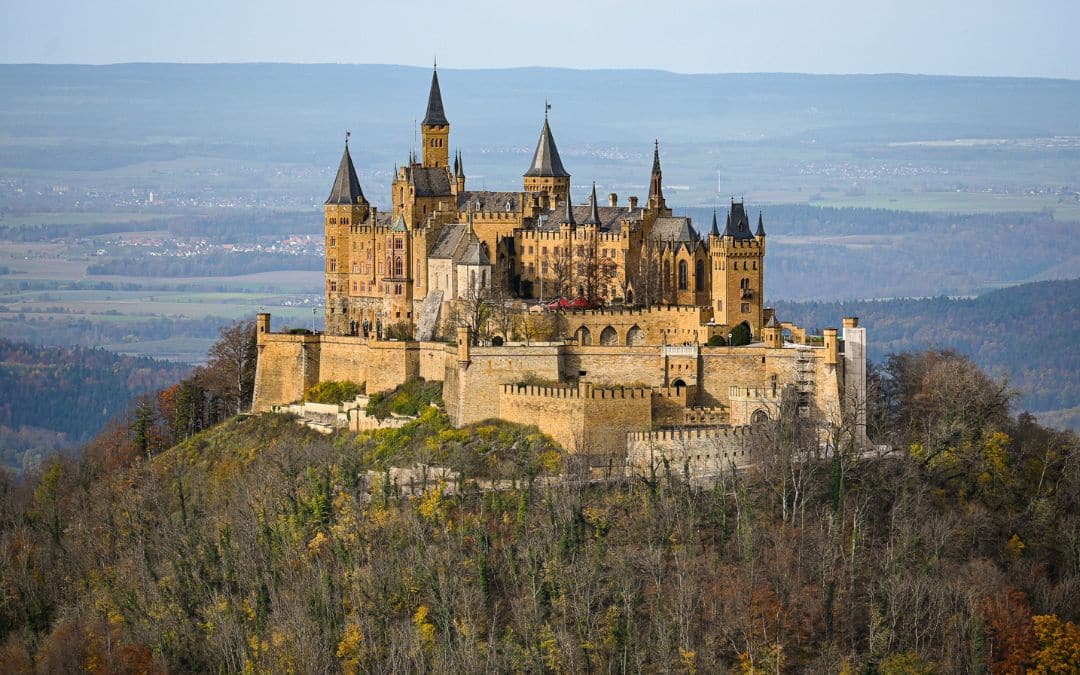
Hohenzollern Castle
Powerful castle complex on a cone-shaped mountain near Hechingen and the ancestral seat of the House of Hohenzollern. The castle itself is impressive, but so is the view of it from the Zeller Horn viewpoint.
Blaubeuren with the Blautopf and Monastery
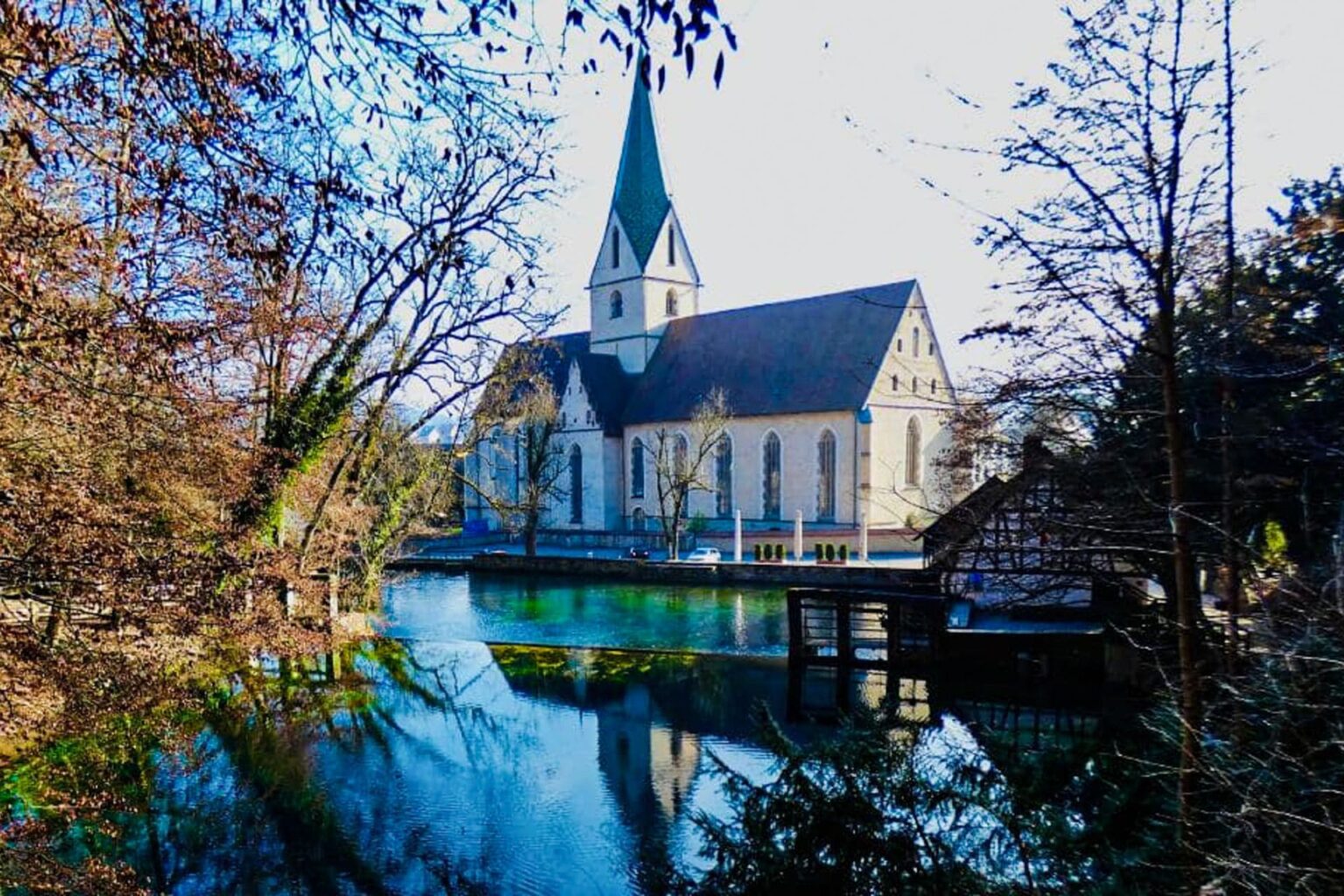
The intensely blue or green Blautopf (depending on the light) is one of the best-known natural phenomena of the Swabian Alb. Right beside it lies the former Blaubeuren Monastery with its monastery church and famous late Gothic high altar.
Prehistoric Museum Blaubeuren
An important starting point for the UNESCO World Heritage Site “Caves and Ice Age Art in the Swabian Jura.” Here, you get a good overview of Ice Age art and the finds from the surrounding caves.
Hohle Fels near Schelklingen
UNESCO World Heritage cave and site of important Ice Age art, including the famous Venus of Hohle Fels. It is especially worthwhile in combination with Blaubeuren and the Prehistoric Museum.
Zwiefalten
Small town with one of the most impressive Baroque church interiors in southern Germany. Zwiefalten Minster is a strong contrast to the caves, castles, and nature sites along the route.
Wimsen Cave
Germany’s only water cave that can be entered by boat. It combines excellently with Zwiefalten and adds a very different kind of cave experience to your road trip.
Ulm
Urban endpoint of the main route with Ulm Minster, the Fishermen’s Quarter, the Danube riverbank, and modern architecture. If you have more time, a detour to Wiblingen Monastery is also worthwhile.
Wiblingen Monastery
Former Benedictine abbey south of Ulm. The magnificent library hall is a masterpiece of Rococo design with a grand ceiling fresco.

Small Return Option – Half-Timbered Towns, Teck Castle, and Hohenneuffen
These stops are especially useful if you want to return from Ulm or Blaubeuren toward Tübingen, Bad Urach, or Stuttgart after the main route. They do not extend the trip dramatically, but they turn the drive into a beautiful loop with half-timbered architecture, views, and a strong sense of the Swabian Alb. If you like, you can include a lovely hike here.
Kirchheim unter Teck
Historic half-timbered town at the foot of the Swabian Alb. A pleasant stop on the way back toward Tübingen or Stuttgart.
Teck Castle
Popular excursion destination on Teckberg hill, with an observation tower and wide views over the foothills and the Albtrauf escarpment. Well suited for a short hike or a scenic stop.
Hohenneuffen Fortress
Large fortress ruin with historic significance and a spectacular location on the Albtrauf escarpment. From the top, you have far-reaching views over the Alb foothills. The area around Hohenneuffen also offers wonderful hiking trails.
Extension Loop – Danube Valley, Celts, and the Alb Escarpment
Sigmaringen
Town on the Danube with an impressive Hohenzollern castle rising from a rock above the river. It combines especially well with Inzigkofen Princely Park.
Inzigkofen Princely Park
Landscape park with rocks, forest paths, the Danube riverbank, bridges, and a surprisingly wild atmosphere. The Amalienfelsen rock lies directly on the bank of the Danube and is a striking point on a walk through the park.
Upper Danube Valley and Beuron Monastery
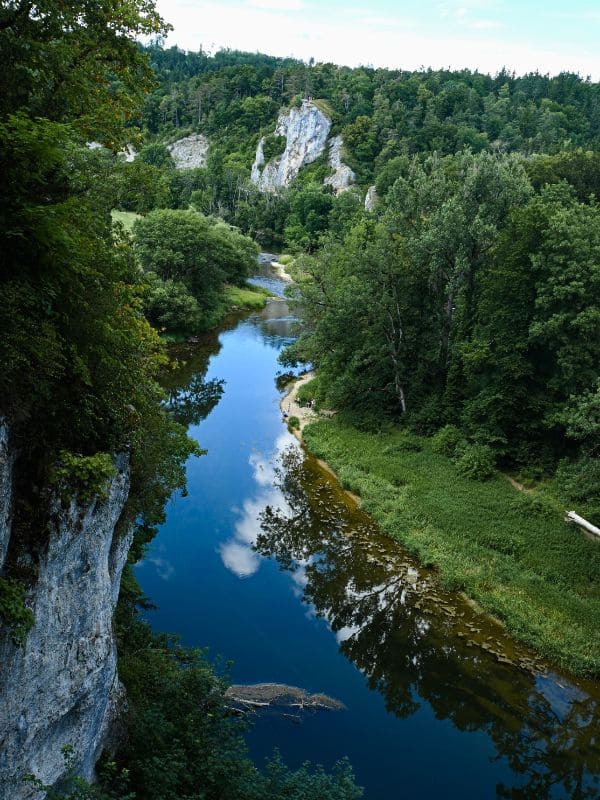
Impressive river landscape with limestone cliffs, viewpoints, and Beuron Monastery in the valley. Ideal if you want the extension loop to focus more strongly on scenery.
Heuneburg near Herbertingen
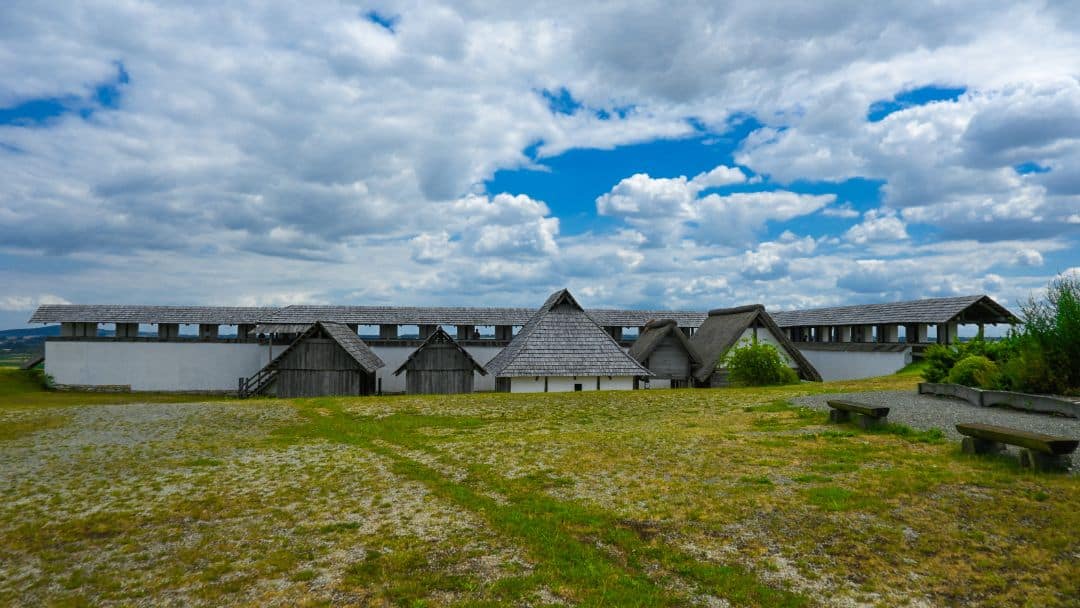
One of the most important Celtic archaeological sites in Central Europe. Reconstructed buildings, a museum, and its location above the Danube Valley make the region’s early history vivid and accessible.
Federsee Museum Bad Buchau
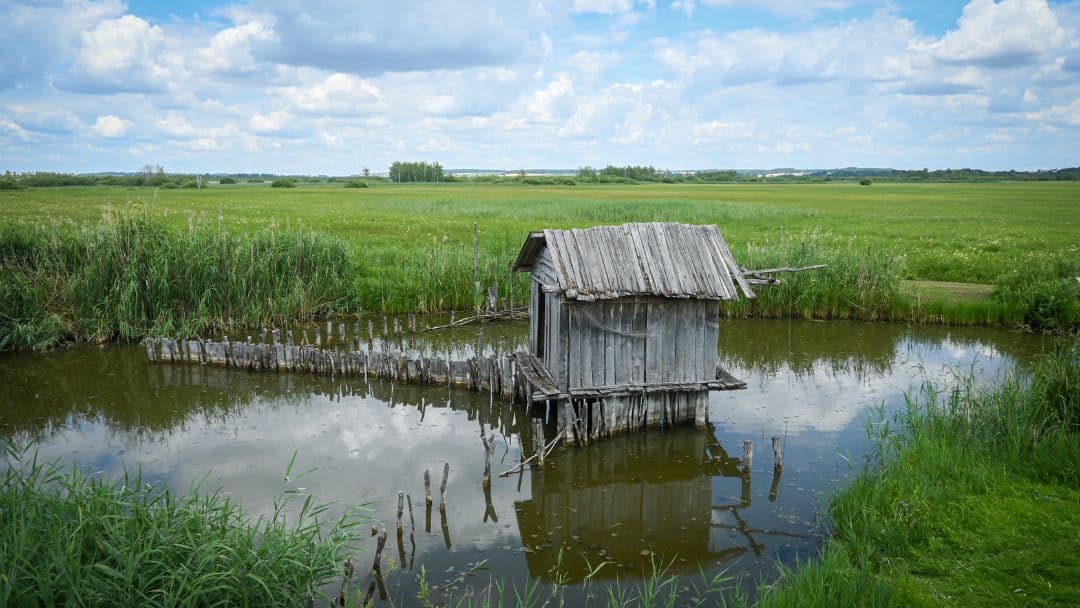
Museum with original finds and reconstructed pile dwellings in the outdoor area. Together with a walk at Lake Federsee, it is a fascinating addition to the UNESCO theme of this road trip.
Festivals & Events Along the Route
If you can plan your trip flexibly, it is worth looking at events along the route. Some festivals fit especially well with the character of this road trip — from student traditions in Tübingen and historic local festivals to summer town events and special events at castles.
Exact dates can change from year to year. Before your trip, always check the current dates on the official websites of the towns, castles, or event organizers.
Stocherkahn Race (punt race) Tübingen
This traditional punt race on the Neckar takes place every year on Corpus Christi and is one of Tübingen’s best-known events. It is especially fun if you want to experience the university town from its lively student side.
Tübinger Sommerinsel
A relaxed summer event at Anlagensee lake, with food, music, and a pleasant atmosphere. Ideal if you want to begin your road trip with an enjoyable evening in Tübingen.
Umbrian-Provençal Market Tübingen
In September, vendors from Tübingen’s twin towns Aix-en-Provence and Perugia bring Mediterranean flair to the old town. A lovely event if you want to combine an old-town stroll, food, and a southern European atmosphere.
Urach Shepherds’ Run
The traditional Shepherds’ Run in Bad Urach takes place every two years in July. With a parade, shepherd competitions, traditional costumes, and regional customs, it is one of the most important heritage festivals on the Swabian Alb.
Royal Winter Magic at Hohenzollern Castle
During Advent, Hohenzollern Castle turns into a festive setting. The special exhibition is not a classic Christmas market, but an elaborately staged winter event in the rooms and courtyards of the castle.
Ulm Schwörmontag and Nabada
Schwörmontag in July is one of the most important dates in Ulm’s annual calendar. The Nabada is especially well known, when imaginatively decorated boats and rafts float down the Danube.
Summer Events Around Blaubeuren and Ulm
During the summer months, Blaubeuren, Ulm, and the surrounding towns regularly host town festivals, concerts, markets, and cultural events. They work well if you want to combine your days around the Blautopf, Ulm Minster, and the Danube riverbank with an evening program.
Advent Season in Ulm
If you drive the route outside the classic travel season, Advent can also be appealing. The Christmas market around Ulm Minster offers a beautiful setting - although in winter, you should expect restrictions at caves, on hiking trails, and on smaller roads.
Summer Events at Hohenneuffen Fortress
Hohenneuffen Fortress is a beautiful stop not only because of its views. In the warmer months, events take place here from time to time, ranging from concerts to historical or culinary formats. Check the dates in advance.
Markets and Town Festivals in Kirchheim unter Teck
Kirchheim unter Teck works well as a half-timbered stop on the return route. If your timing fits, you can combine your visit with a market or town festival in the old town.
Celtic Festival at the Heuneburg
The Celtic Festival at the Heuneburg offers historical demonstrations, crafts, guided tours, and insights into life around 2,500 years ago. It fits this road trip especially well because it brings the prehistoric dimension of the region vividly to life.
Events in Sigmaringen and the Danube Valley
Depending on the season, guided tours, concerts, markets, and regional festivals take place around Sigmaringen, the castle, Beuron, and the Upper Danube Valley. Especially if you are planning the larger extension loop, it is worth checking current dates in advance.
Lake Federsee and Bad Buchau
Seasonal guided tours and events also take place around Bad Buchau, the Federsee Museum, and the moorland landscape. They are a wonderful addition if you are interested in archaeology, nature, and prehistoric cultural landscapes.
Conclusion: Who Will Enjoy This Road Trip Most?
This Swabian Alb road trip is ideal if you enjoy discovering Germany away from the most obvious travel routes while still wanting cultural highlights, beautiful towns, and striking landscapes. Between Tübingen and Ulm, the distances are not huge, but there are surprisingly many places where nature, history, and culture come together in a compact area.
The route is especially rewarding if you love castles and palaces, enjoy strolling through historic old towns, and are interested in early human history. With Lichtenstein Castle, Hohenzollern Castle, Blaubeuren, Hohle Fels, and Ulm, you experience very different facets of the Swabian Alb — from romantic cliff-top castles and UNESCO Ice Age art to the tallest church tower in the world.
At the same time, this road trip is pleasantly compact. You do not have to change hotels every day; instead, you can work with two fixed bases and explore the most important destinations calmly as day trips. If you have more time, you can turn the route from Tübingen to Ulm into a loop — either via Kirchheim unter Teck, Teck Castle, and Hohenneuffen Fortress or with the larger extension via Sigmaringen, the Danube Valley, the Heuneburg, and Lake Federsee.
So if you are looking for a varied route that combines nature, cultural history, short hikes, half-timbered towns, and special viewpoints, this road trip from Tübingen to Ulm is a wonderful way to get to know the Swabian Alb in greater depth. And along the way, you may notice exactly what makes this region so fascinating to me: it is not loud or obviously spectacular — but the more closely you look, the more it has to tell.
More Road Trip Ideas
If this route has inspired you and you would like to discover more car trips through Germany, take a look at my comprehensive Germany road trip overview. There you will find itineraries with different themes, from cultural history to scenic landscapes.
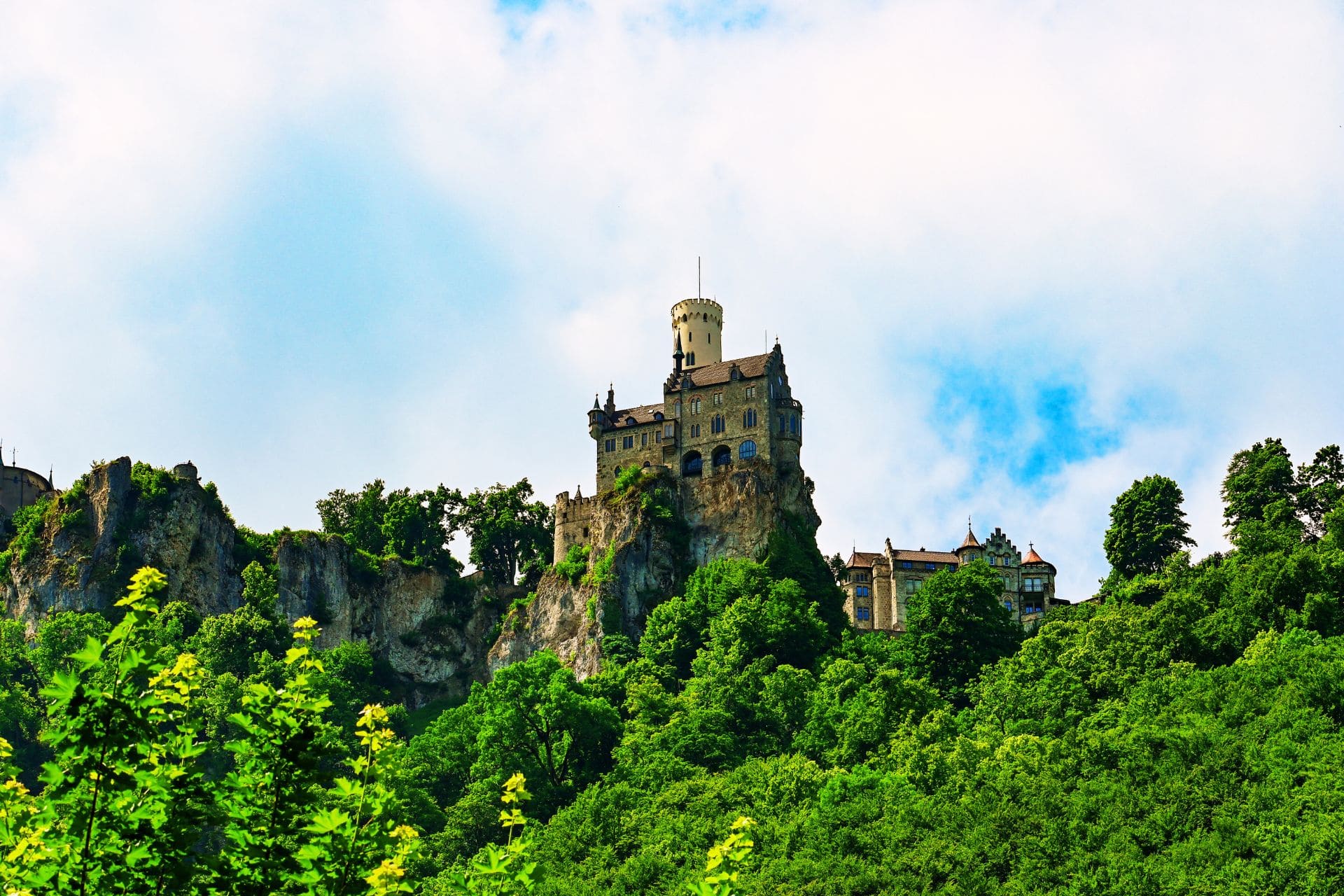
Between Albtrauf, half-timbered houses and World Heritage Site The Swabian Alb is still one of Germany's underrated regions. Yet it combines a read more
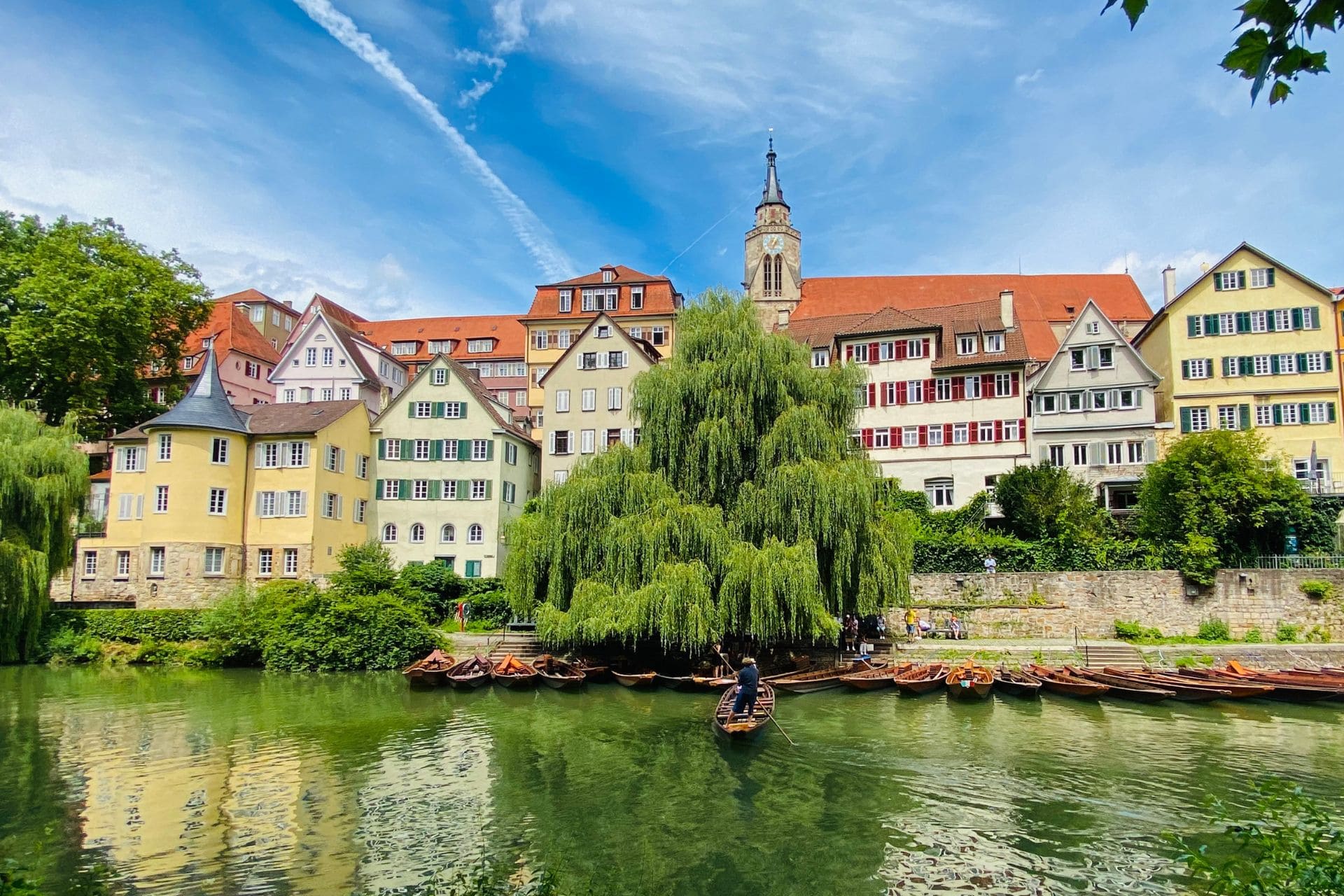
On this city tour through Tübingen, I will show you the most important sights of the old town, which is one of the most beautiful in Baden-Württemberg read more
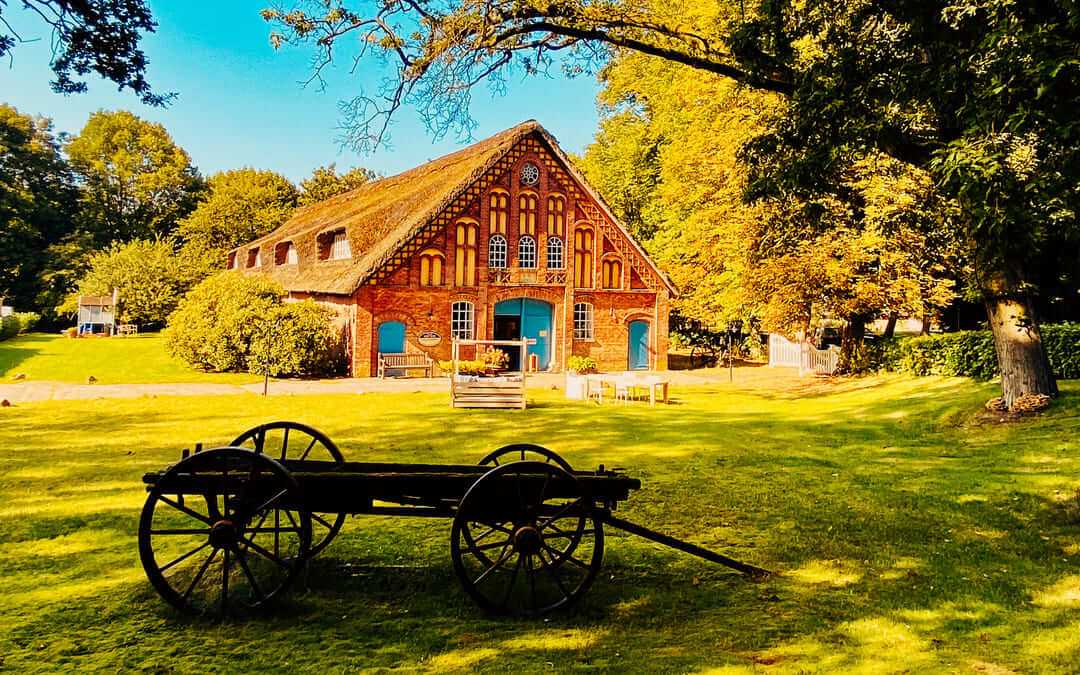
Germany is perfect for a road trip: well-maintained roads, a variety of landscapes, exciting cities and plenty of culture and cuisine read more
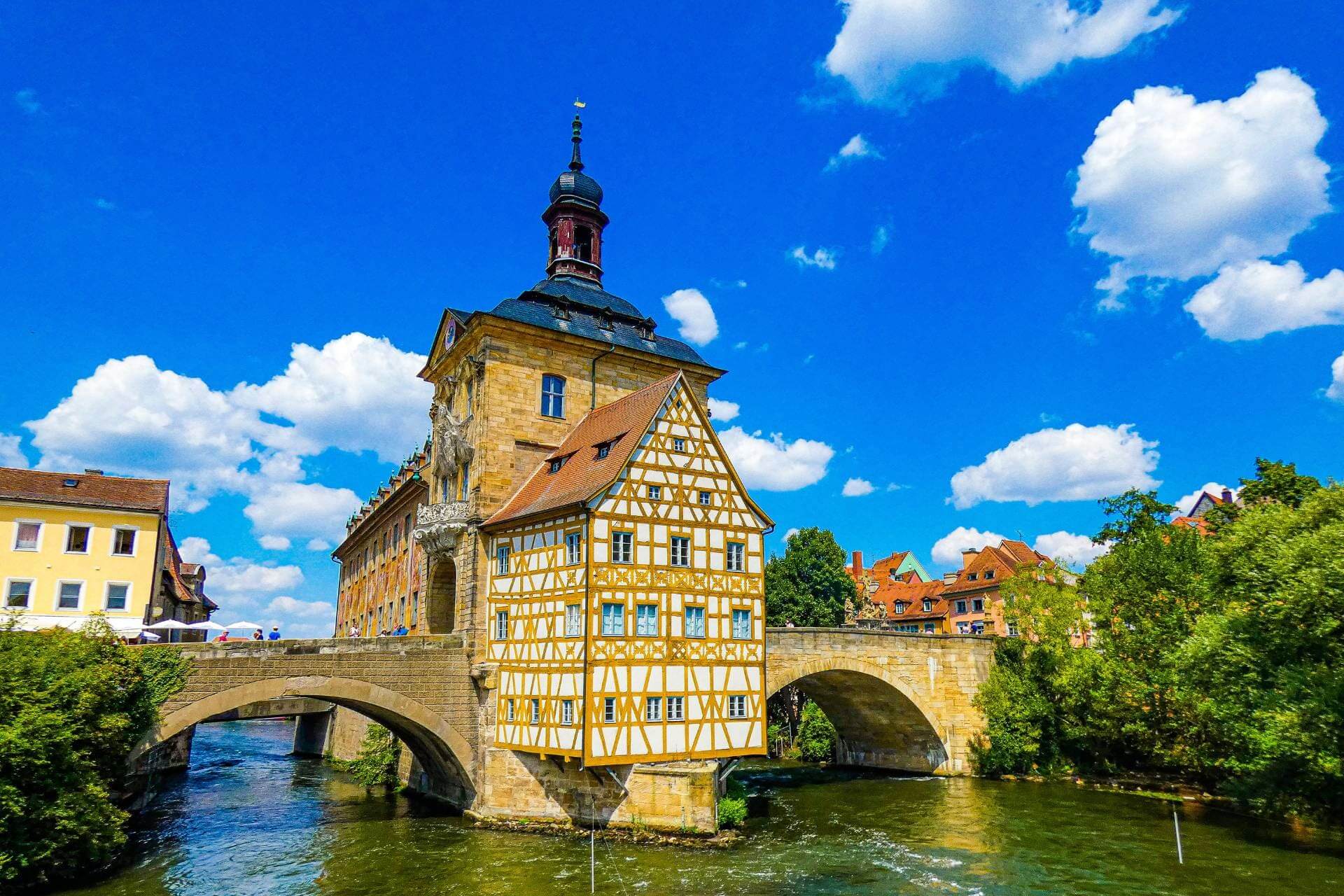
UNESCO World Heritage Sites are places of outstanding universal value—significant testaments to history and culture, as well as unique natural landscapes. When the read more

About me: I love to travel, write and photograph - preferably in places where the past is visible. Whether it's half-timbered towns, castles or quiet landscapes - there's something in every place that touches you and inspires you to think further. With my blog Angie's Travel Routes I would like to inspire you to discover Germany on your own. I share my experiences, personal impressions and practical route tips to make your next trip a special experience.
You can find out more about me to my newsletter.

 Deutsch
  English
0 Comments