
The CMT travel trade fair in Stuttgart is a moment for me to pause and look ahead: Which destinations spark curiosity for the year to come? And where do anniversaries, new architecture, or special cultural programs create reasons to rediscover familiar places from a fresh perspective? Once again in 2026, the CMT highlights just how diverse and surprising Germany can be as a travel destination .
In this article, I will take you to holiday regions and road trips, City Breaks Between Antiquity and Modernity and selected day trip destinations in Baden-Württemberg. The focus is on places where history, culture, landscapes, and contemporary life intersect – from major UNESCO World Heritage Sites to new architectural landmarks and innovative cultural formats.The CMT 2026 provides the inspiration, but the real journey begins outdoors, on location.
On the Road in Germany - Road Trips & Regions for 2026
Road trips and larger holiday regions are especially well suited to placing landscapes, cities, and cultural highlights into a broader context. They leave room for discoveries along the way, for detours beyond the well-trodden paths, and for a slower, more deliberate approach to a region. For the 2026 travel year, there are several appealing routes and regions where history, nature, and culture are closely intertwined – and I’d like to introduce a few of them here.
Swabian Alb – A Cultural Route Between Castles, Monasteries, and Natural Wonders
If you are looking for a region in 2026 that combines history, landscape and culture in a compact area, the Swabian Alb is an ideal destination – especially for an individual road trip. A fitting occasion for the travel year is the 60th anniversary of the Upper Swabian Baroque Route, also includes impressive sites on the Alb itself. Highlights include Ulm Minster, the monumental monastery complex of Wiblingen, the magnificent Zwiefalten Minster and Sigmaringen Castle, dramatically perched above the Danube and combining Baroque architecture with princely history.
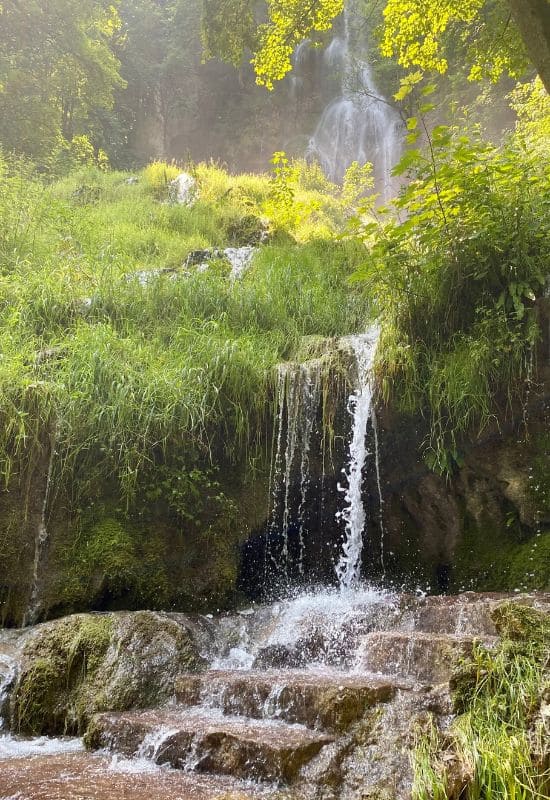
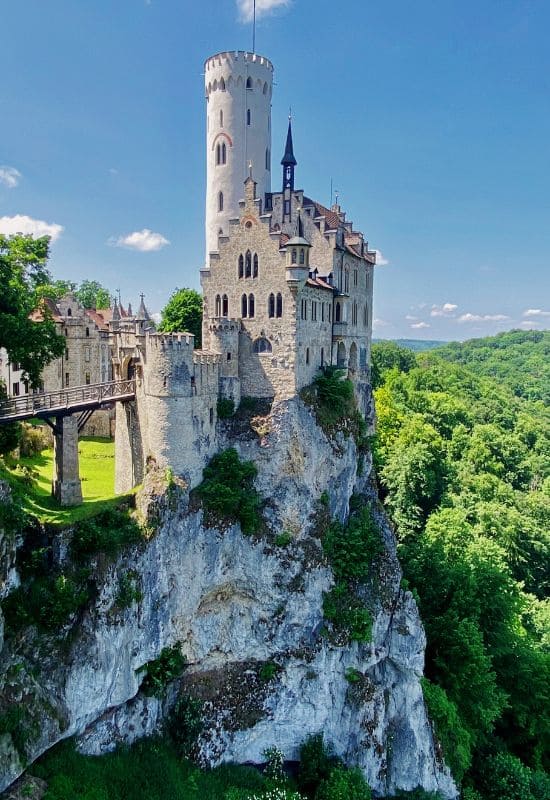
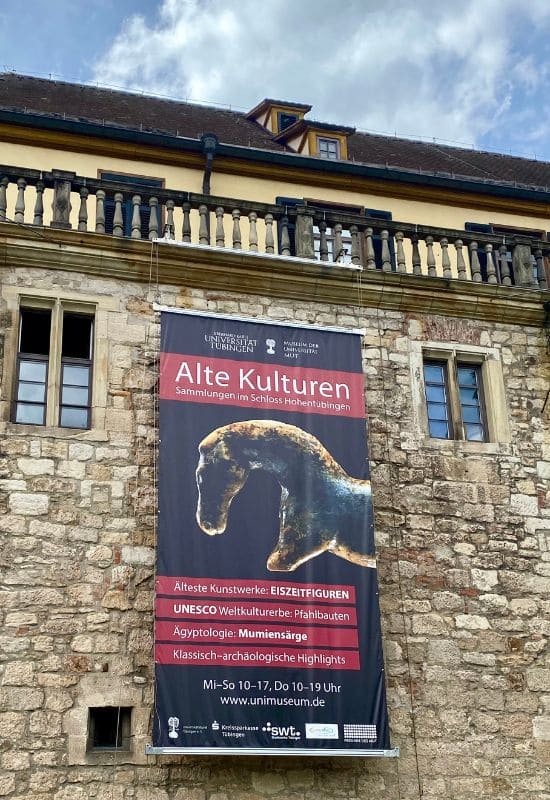
The close connection between culture and landscape becomes particularly clear at the UNESCO World Heritage Caves and Ice Age Art in the Swabian Jura. In the caves of the Ach and Lone valleys, the world’s oldest known works of art and musical instruments were discovered. Today, many of them are displayed in museums in Tübingen, Ulm and Blaubeuren . These cultural highlights are complemented by striking natural landmarks: the Urach waterfall, the mysterious blue-green waters of the Blautopf spring in Blaubeuren, the unique moorland landscape of Lake Federsee near Bad Buchau (part of the UNESCO World Heritage Prehistoric Pile Dwellings around the Alps) or the Princely Park Inzigkofen with its sweeping views over the Danube Valley. Famous castles such as Hohenzollern Castle rising majestically above the Zollerberg, and the romantic Lichtenstein Castle set striking accents. The cities Tübingen, Ulm and Rottweil showcase the urban diversity of the region.
In my article on the 52 highlights of the Swabian Alb I take up exactly this mixture of nature, cities and history. If you would like to discover the region along a clear route, you'll find in my article about Germany's most beautiful road trips a curated road trip across the Swabian Alblogically connecting castles, monasteries, towns, and natural highlights.This makes the Alb 2026 a versatile destination that can be explored stage by stage.

Ammergau Alps – Royal Palaces, Monasteries, and Alpine Cultural Landscapes
The inclusion of Ludwig II's royal castles on the UNESCO World Heritage List makes the Ammergau Alps a particularly attractive destination for 2026. Neuschwanstein Castle, Linderhof Castle, Herrenchiemsee Castle and the Royal House at Schachen now officially represent the romantic worldview of Bavaria’s “fairytale king” and his visionary architectural imagination. Linderhof Palace in particular, the only palace Ludwig II saw completed, lies right in the heart of the Ammergau Alps and can be perfectly combined with hikes and quiet moments in nature.
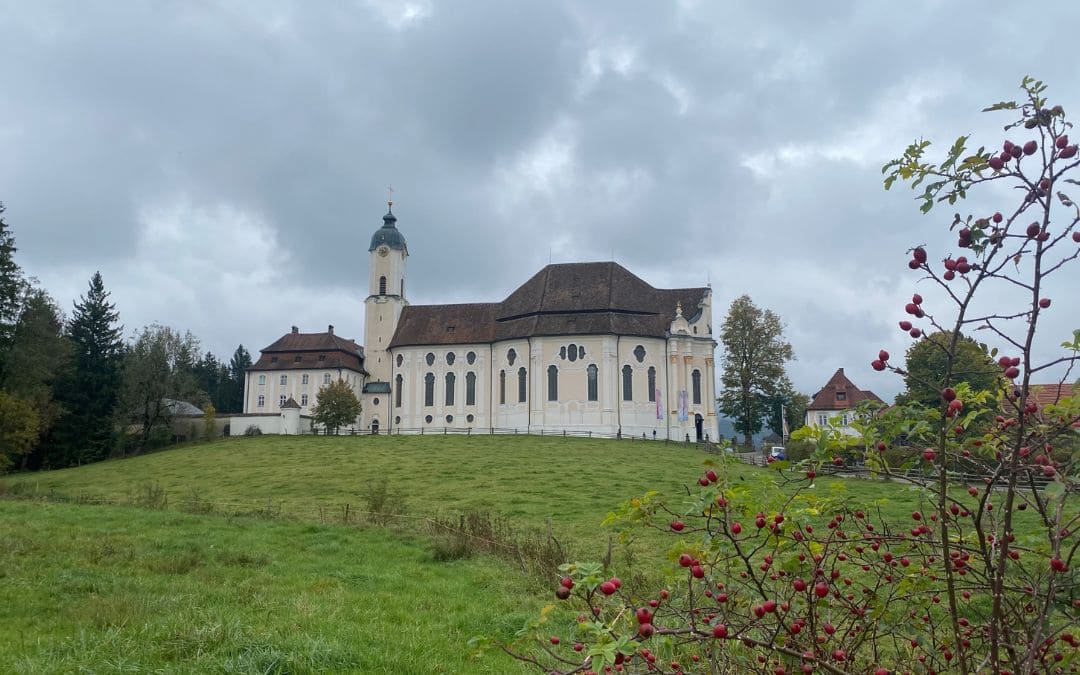
But the region is shaped by more than royal splendor. The Wieskirche another UNESCO World Heritage Site, is one of the most impressive examples of Rococo church architecture in southern Germany. Together with places like Oberammergau, famous for its Passion Plays and Lüftlmalerei murals, and the Baroque Ettal Abbey the Ammergau Alps reveal a cultural landscape shaped over centuries. Gentle alpine meadows, the Ammertal Valley, and well-maintained hiking trails make the region ideal for slow, mindful travel.
If you’d like to explore the Ammergau Alps in a broader context, they can easily be integrated into the Top tour through Bavaria which I also present in the article Road trip Germany - the most beautiful routes . In 2026, the Ammergau Alps stand out as a destination that combines nature and cultural history in an especially elegant way.


Bauhaus Sites in Weimar, Dessau, and Bernau – Modern Architecture Along a Cultural Route
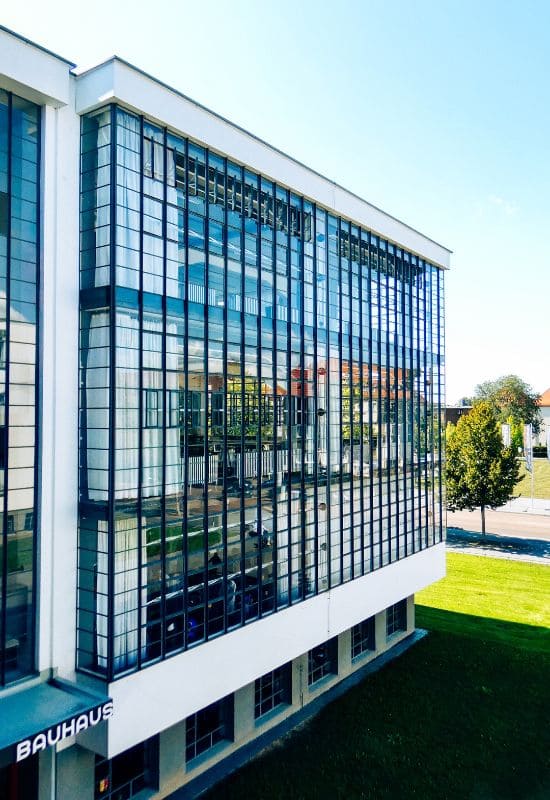
On the occasion of the 30th anniversary of their UNESCO World Heritage status , the The Bauhaus Sites in Weimar, Dessau, and Bernau — also discussed in my near Berlin offer a fascinating road trip for architecture and design enthusiasts in 2026. Few movements have shaped the 20th century as profoundly as the Bauhaus. At these three locations, its ideas become especially tangible: from its early years in Weimar to the iconic Bauhaus Building and Masters’ Houses in Dessau, and finally the ADGB Trade Union School in Bernau, a masterpiece of functional modernism.
The appeal of this route lies not only in the architecture itself, but also in the contrasts. Between Classical Weimar,industrial modernism, and the green landscapes surrounding Berlin, a compelling panorama of German cultural history unfolds. The route works perfectly as a compact cultural journey, but can also be expanded.
If you have more time and want to include additional UNESCO World Heritage Sites and cultural highlights , the Bauhaus route fits seamlessly into my Road trip East Germany - a cultural route from Eisenach to Berlin. Along the way, Bauhaus modernism naturally connects with medieval heritage, including Wartburg Castle in Eisenach and Dessau-Wörlitz Garden Realm as well as with cultural stops in Leipzig and Berlin. The result is a multi-layered cultural journey that reveals how diverse – and yet deeply interconnected – Germany’s cultural landscapes are.


City Breaks Between Antiquity and Modernity
While road trips and regions are ideal for combining nature and historical context, city breaks offer a particularly concentrated way to experience history, architecture, and urban life. In 2026, several cities stand out thanks to anniversaries and special themed years that open up new perspectives.
Würzburg – Baroque Splendor and a UNESCO Anniversary
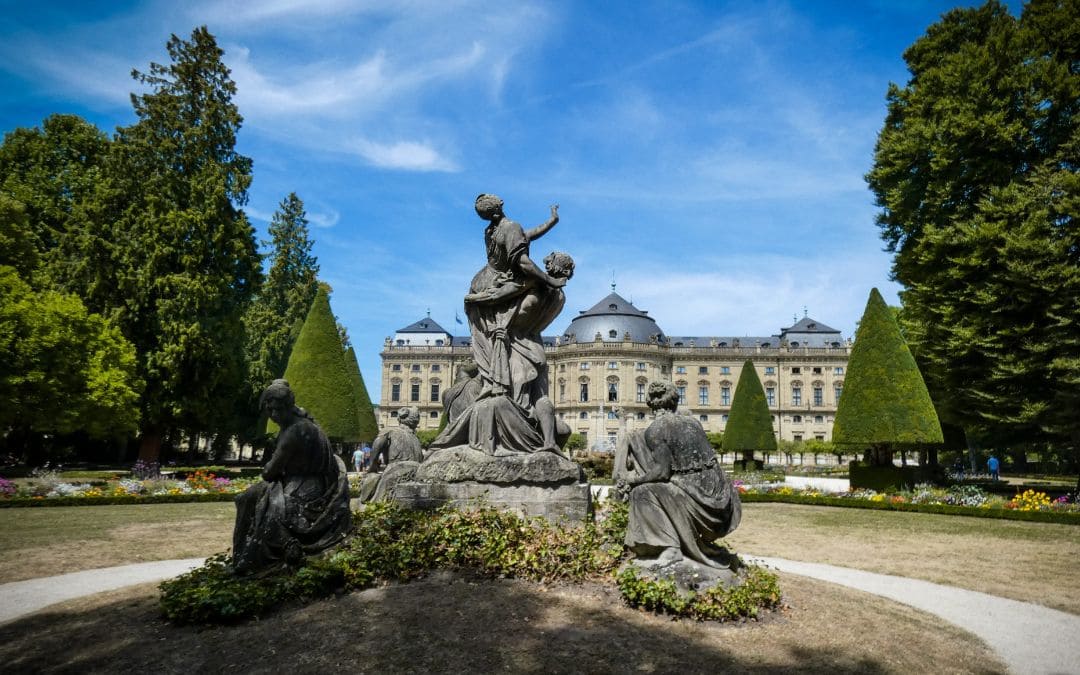
With the 45th anniversary of the UNESCO World Heritage Würzburg Residence with Court Garden , Würzburg will be especially appealing to culture-loving city travelers in 2026. The Baroque palace is considered one of the most important in Europe and impresses with its monumental staircase and the world-famous ceiling fresco by Giovanni Battista Tiepolo – a masterpiece of Baroque illusionistic art. The expansive court gardens provide a calm counterbalance and emphasize the palace’s representative character.
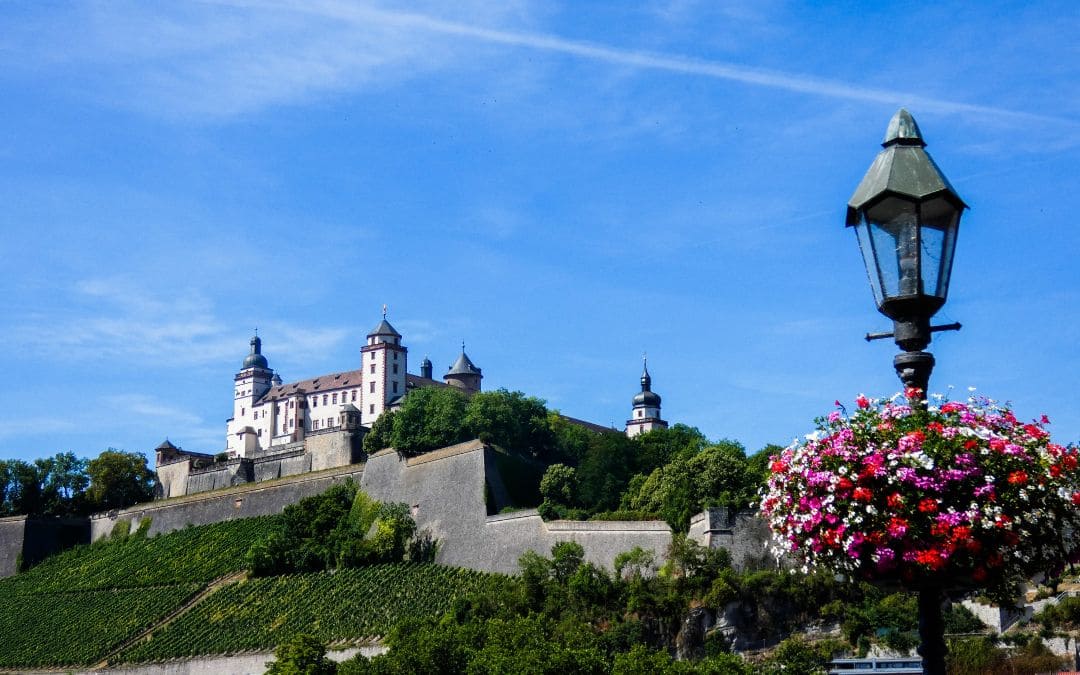
Yet Würzburg is far more than a single UNESCO highlight. The city blends its past as a prince-bishops’ seat of power with lively urban life and Franconian joie de vivre. A walk across the Old Main Bridge, views up to Marienberg Fortress, or a stroll through the historic center show how seamlessly history blends into everyday life. This balance makes Würzburg an ideal destination for a relaxed city break with cultural depth.
In my comprehensive Würzburg guide, I explore both the Residence and the city as a whole in detail – perfect if you want to dive deeper. Würzburg also works well as part of larger itineraries, for example as a cultural starting point or finale for a journey through Franconia. The anniversary year 2026 offers a wonderful reason to rediscover Würzburg – not only as a UNESCO site, but as a city with character and history.

Trier – Roman Heritage, Christian Tradition, and European Ideas
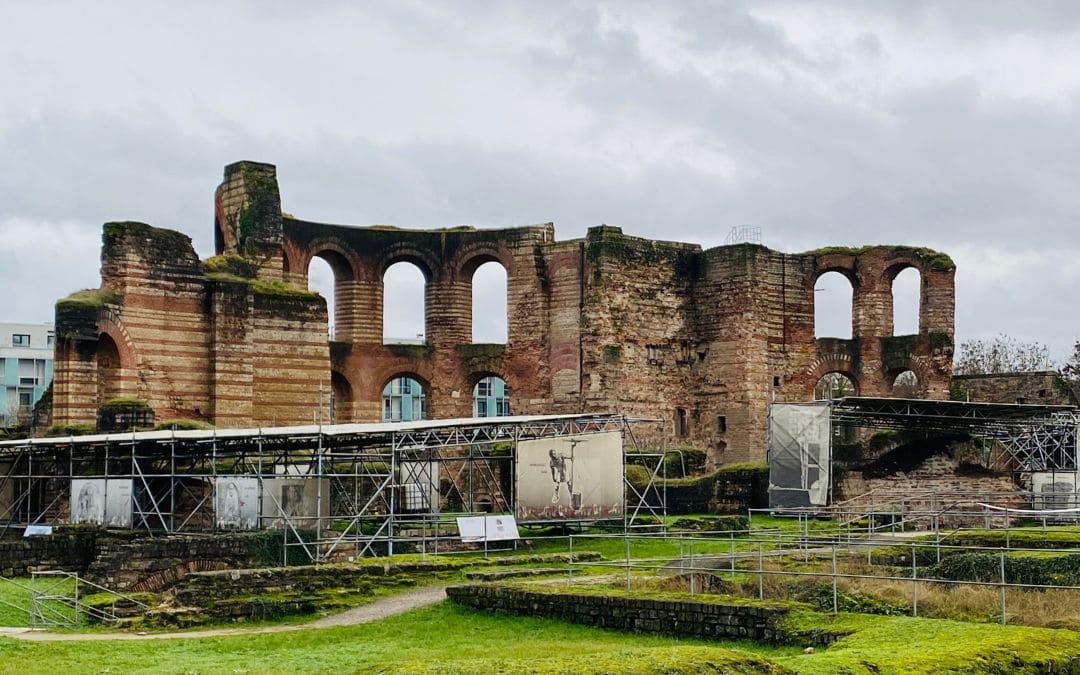
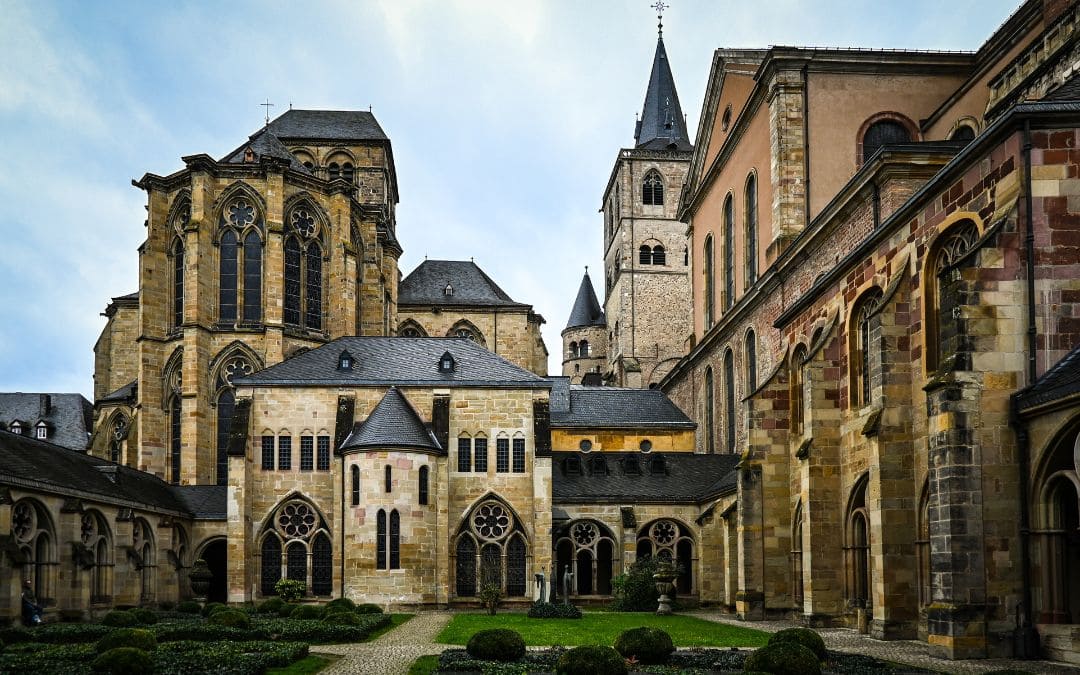
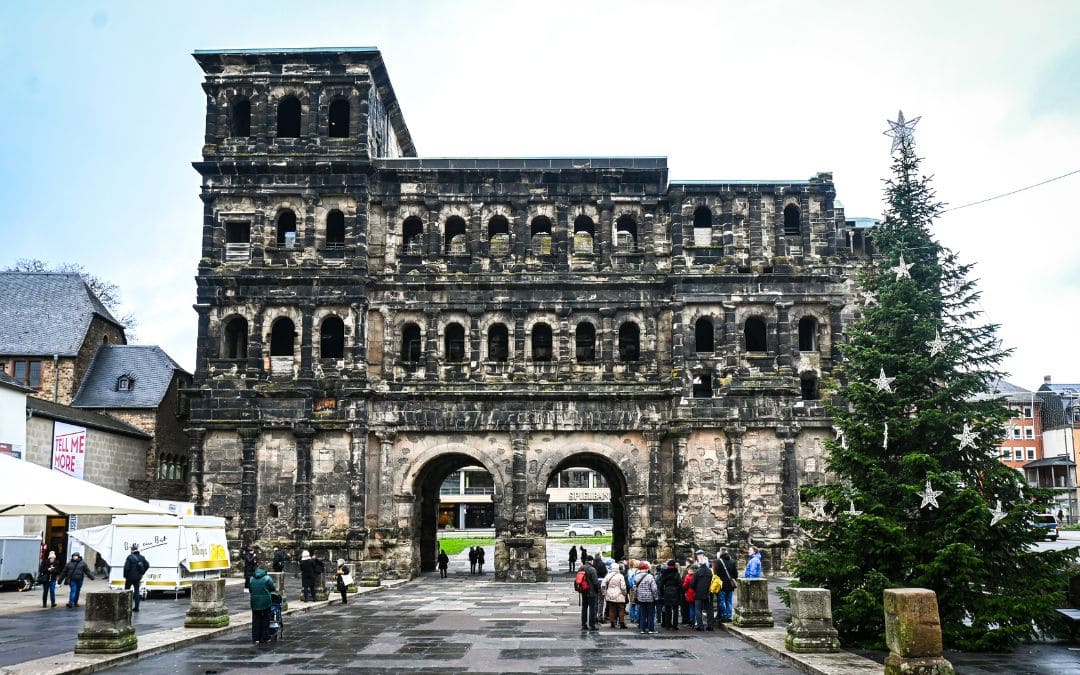
The 40th anniversary of Trier’s UNESCO World Heritage status invites visitors in 2026 to rediscover the city as an exceptional ensemble of Roman heritage and early Christian architecture. As a former Roman imperial residence, Trier was a political and cultural center of the empire for centuries – a place where European history took shape at an early stage. Monuments such as the Porta Nigra, the Imperial Baths, the amphitheater or the Palastaula exemplify this legacy and together form a remarkably complete testimony to Roman urban history north of the Alps.
The UNESCO designation also includes the Cathedral of St. Peter, Germany’s oldest bishop’s church, and the neighboring Church of Our Lady , an early masterpiece of Gothic sacred architecture. Together, they mark the transition from Roman antiquity to the Christian era and make Trier a place where historical continuity and rupture are particularly easy to trace.
This historical arc extends into modern times: Karl Marx was born in Trier, and his ideas profoundly influenced global political and social debates in the 19th and 20th centuries. Trier thus stands not only for the beginnings of Europe, but also for ideas that shaped global history – a tension that makes the city especially relevant and compelling in 2026.
Regensburg – From Roman Frontier Town to European Trading Hub
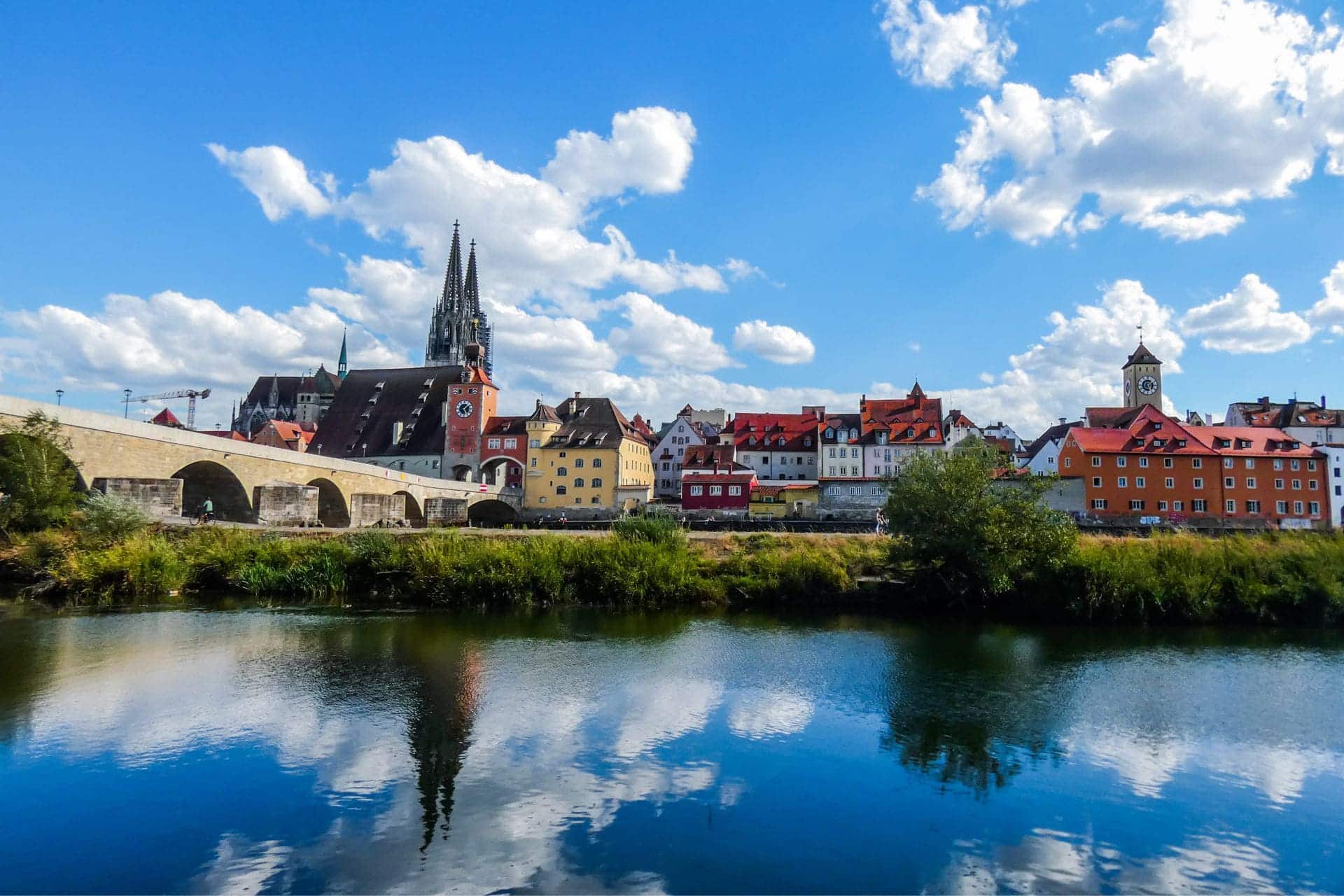
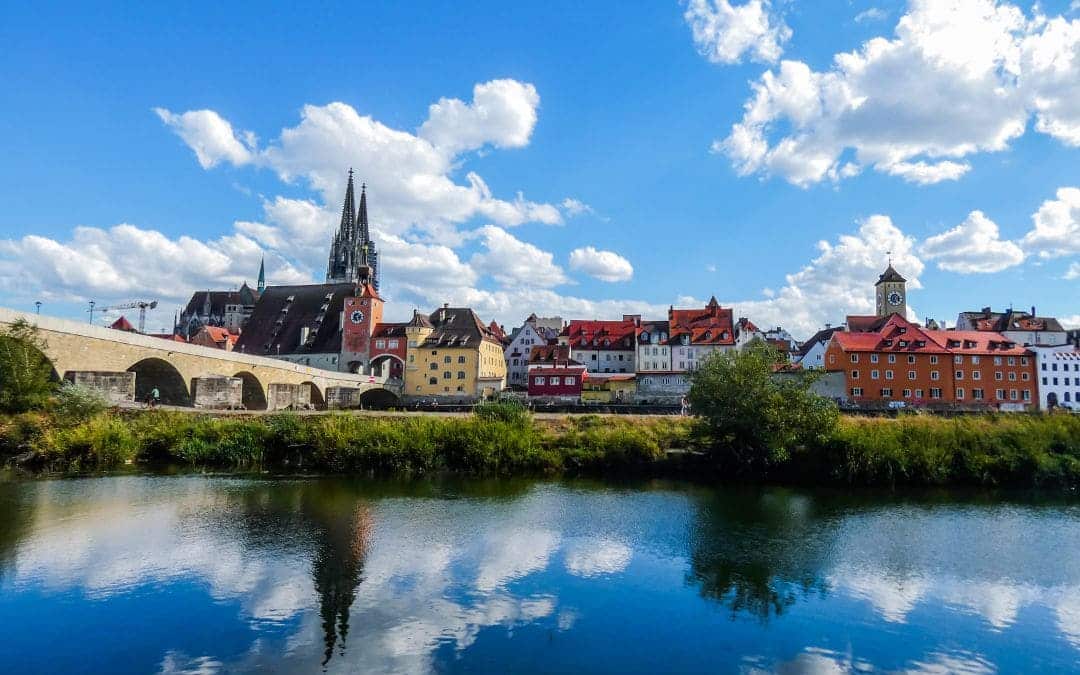
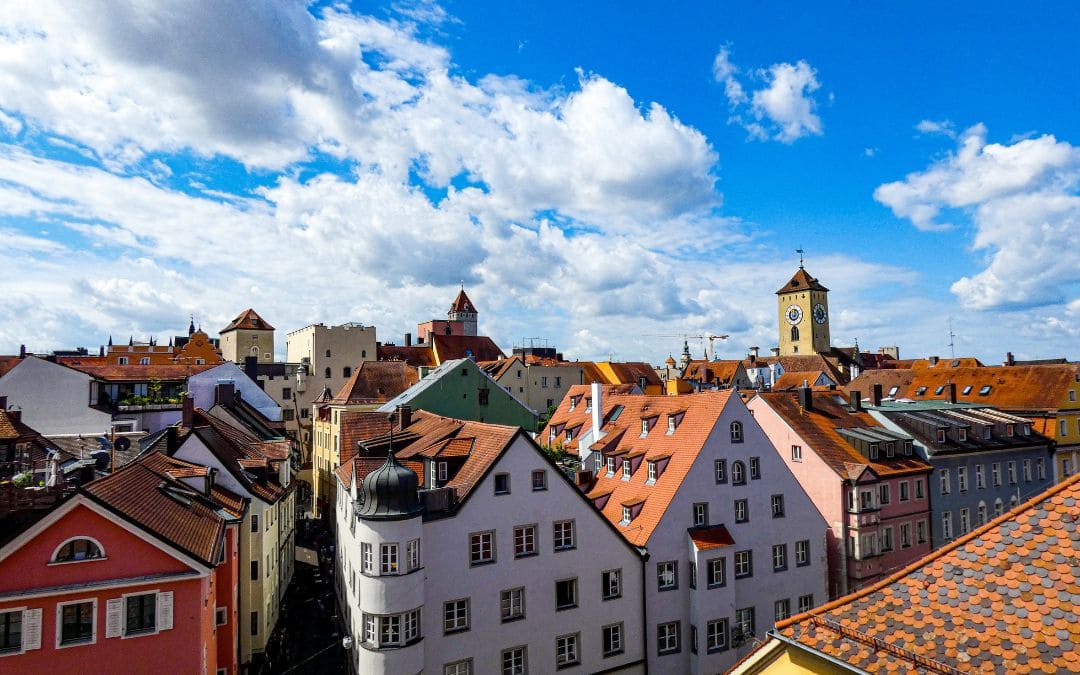
In 2026, the Old Town of Regensburg and Stadtamhof celebrates 20 years as a UNESCO World Heritage Site, offering a perfect opportunity to (re)discover the city’s extraordinary historical depth. Regensburg’s story begins long before the Middle Ages: during Roman times, the legionary camp Castra Regina was established here, giving the city its name. The preserved Porta Praetoria, once a gate of the Roman camp, is among the oldest surviving Roman structures in Germany. As part of the Danube Limes , it reminds us that Regensburg played a key role on an early European frontier.
On these Roman foundations, one of the Holy Roman Empire’s most important trading cities developed during the Middle Ages. The Old Town, with its iconic Steinerne Brücke (Stone Bridge) forms an exceptionally well-preserved ensemble that still tells the story of Regensburg’s role as a hub on the Danube. Trade routes between north and south, east and west converged here, intertwining economic interests, political power, and cultural exchange.
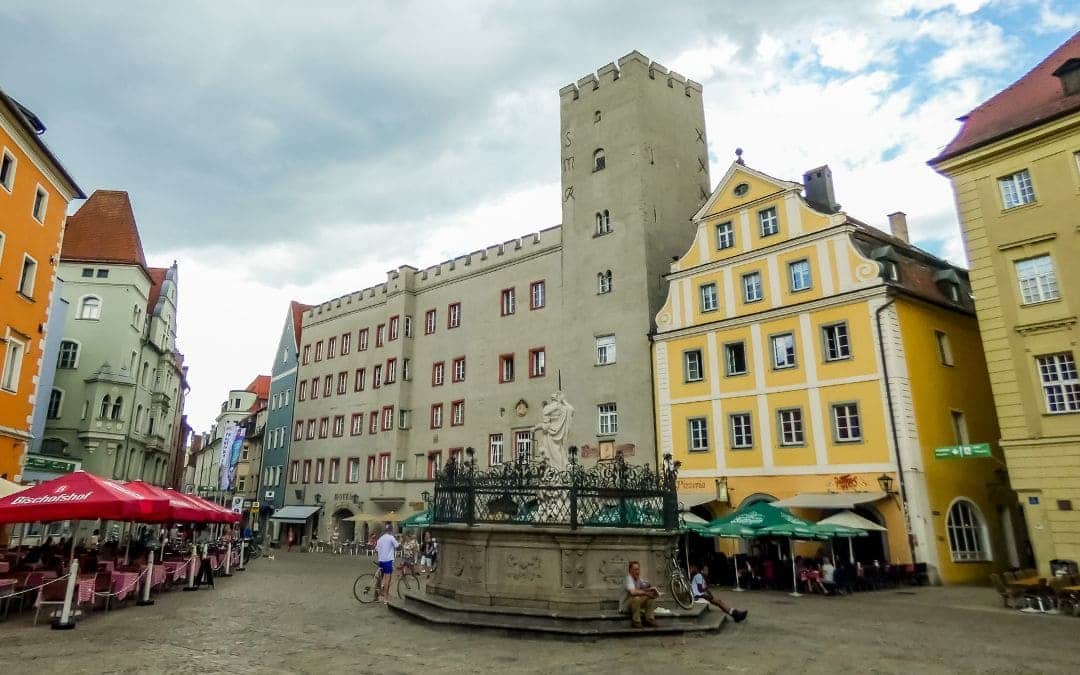
Regensburg also made history as a center of European politics. The Cathedral of St. Peter represents the height of Gothic architecture in southern Germany, while the Old Town Hall (Altes Rathaus) with its Imperial Hall recall the era of the Perpetual Imperial Diets, when envoys from across Europe gathered here to negotiate imperial affairs. Regensburg was not only a trading hub, but also a stage for European decision-making.
What makes the city so appealing today is this continuity. Roman traces, medieval structures, and modern urban life blend seamlessly, without the past becoming mere scenery. The anniversary year 2026 is a wonderful opportunity to experience one of Germany’s most beautiful cities , where over two millennia of European history remain visible in the contemporary cityscape.
Day Trips in Baden-Württemberg – Cities, Views, and New Architecture
Not every trip has to take you far away to leave you with new impressions. In my home state of Baden-Württemberg in particular, cities, landscapes and architecture can often be combined in a small space. For 2026, the focus is on excursion destinations that add a new facet to familiar places through anniversaries, new buildings or additional cultural offerings - ideal for a day trip or a relaxing weekend.
NECKARLINE – New Perspectives Above the Neckar Valley
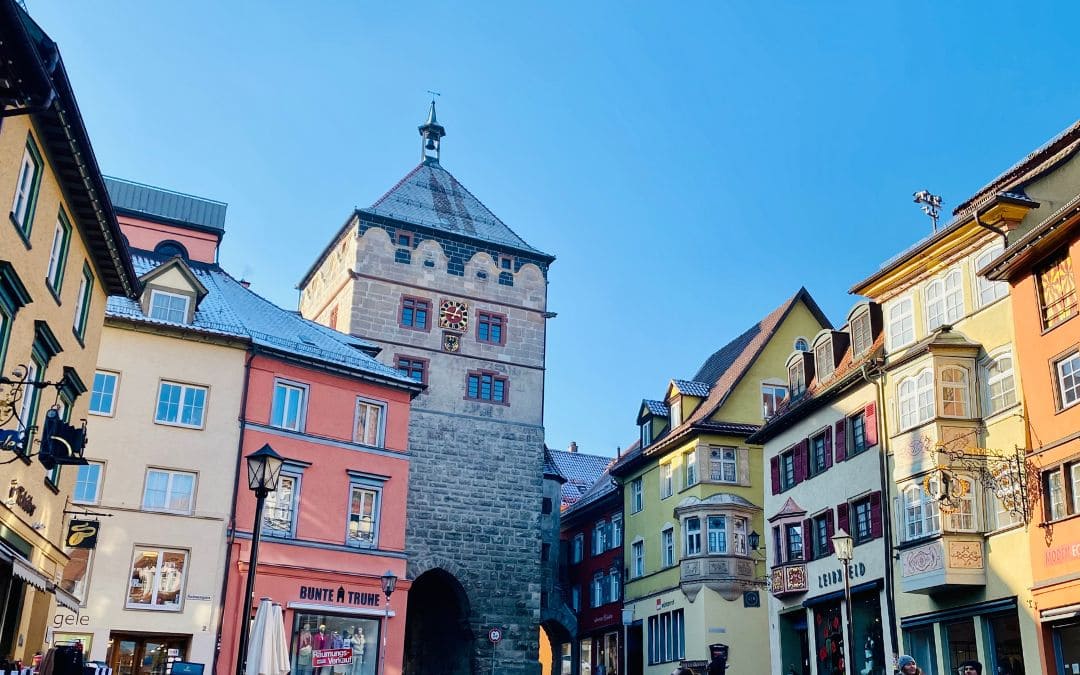
The NECKARLINE, a new suspension bridge above the Neckar valley, Rottweil gains a striking new attraction in 2026. Spanning the river far below, the bridge offers impressive views of the landscape and a fresh way of experiencing the Neckar. It’s an appealing option for visitors who enjoy being outdoors but don’t necessarily plan long hikes.
The contrast is part of its appeal: on one side, Baden-Württemberg’s oldest town with its towers, narrow streets, and medieval structures; on the other, a modern structure designed for lightness and openness. Rather than being a purely spectacular feature, the bridge invites visitors to connect town and landscape – whether on a leisurely walk, a day trip, or as part of a longer stay.
Rottweil, together with the NECKARLINE, also fits perfectly as a stop on a Swabian Alb road trip. Nestled between towns, castles, natural landscapes, and cultural sites, it offers a stop that combines movement, views, and urban history. In 2026, the NECKARLINE provides a great reason to visit Rottweil not only for its past, but also for the new connections it creates between town and landscape.

Tübingen – History, Art, and Nature on the Edge of the Swabian Alb
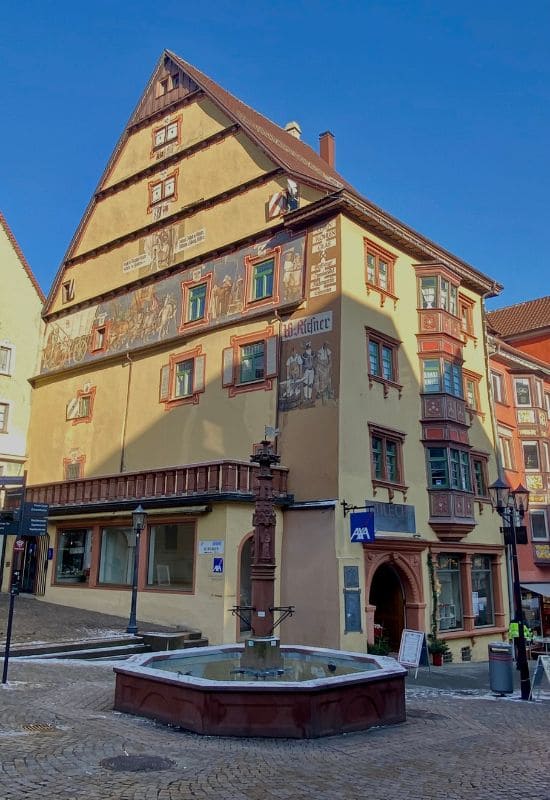
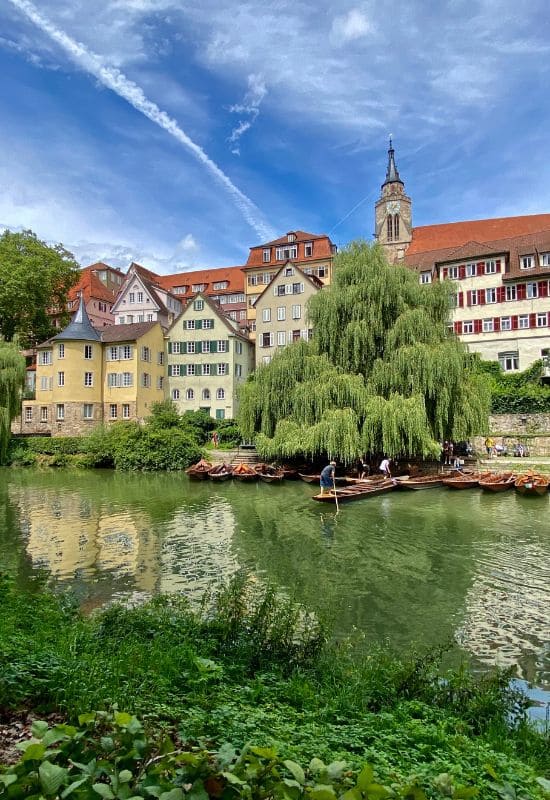
Tübingen is one of those towns in Baden-Württemberg where culture, history, and a beautiful setting come together particularly closely. Starting in October 2026, celebrations will begin for the 550th anniversary of Eberhard Karls University of Tübingenwhich will be officially marked in 2027. Once again, the city comes into focus as a place of learning, research, and debate – a tradition that still shapes its character today.
Within this long-established cultural landscape, the Neues Kunst Museum Tübingen (New Art Museum Tübingen) adds a contemporary note. It complements the city’s classical cultural references with modern artistic perspectives and creates a deliberate dialogue between historic surroundings and contemporary art. This contrast makes a visit especially engaging: half-timbered houses, the Neckar riverfront, and university buildings outside – new perspectives and current issues inside.
Nature lovers will also find plenty to enjoy. The nearby Früchtetrauf region offers cycling and hiking trails through orchards, vineyards, river valleys, and forests, making it easy to combine a city visit with time outdoors. Tübingen is therefore ideal for a varied day trip or a relaxed weekend break.

Stuttgart TV Tower – Viewpoint, Architectural Icon, and Cultural Venue
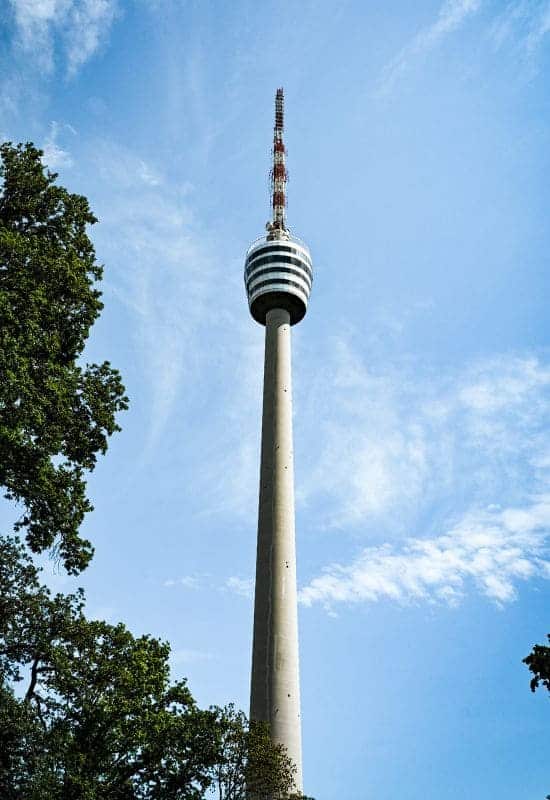
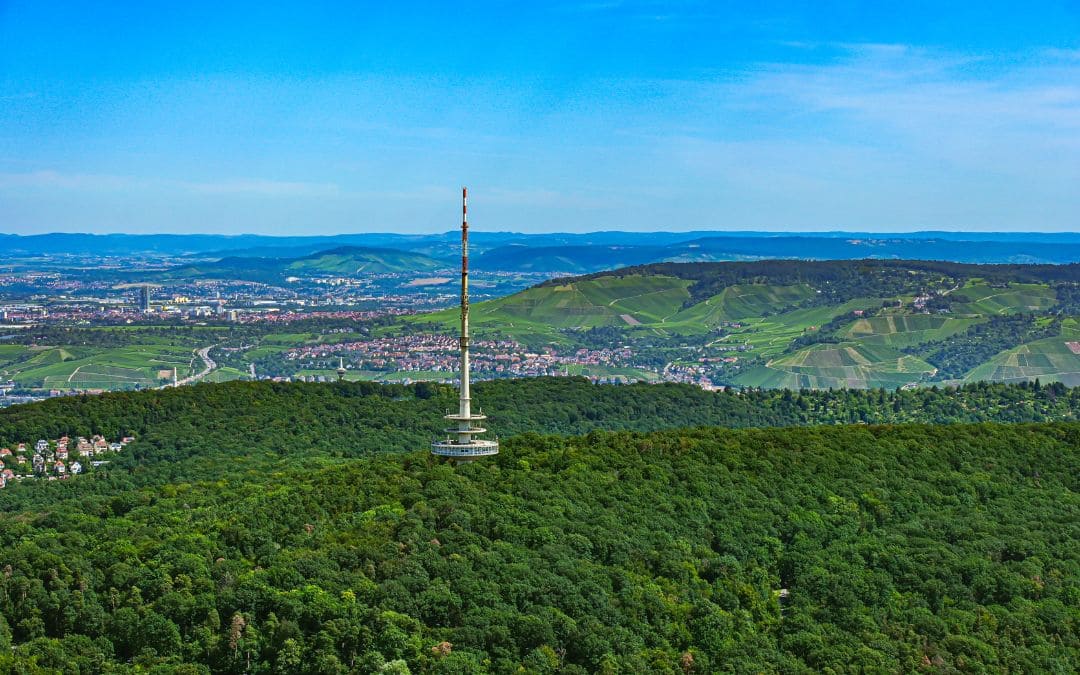
With its 80th anniversary, the Stuttgart television tower becomes a special highlight in 2026 and an opportunity to rediscover one of the most important landmarks of postwar modernism. As the world’s first television tower built from reinforced concrete, it is a milestone of engineering and a model for countless towers worldwide. At the same time, it remains one of the city’s most impressive viewpoints: from the observation deck, views stretch across Stuttgart to the Swabian Alb and the Black Forest, and on clear days even as far as the Alps.
The visit can be perfectly combined with a walk, such as the one I describe in my article on the most beautiful viewpoints between the TV Tower and Weißenburg Park. The route links well-known and lesser-known vantage points above the city basin, revealing Stuttgart’s green and hilly side. Alternatively, the TV Tower works beautifully as part of a weekend trip to Stuttgart, paired with city walks, parks, and cultural highlights.
To mark the anniversary, the TV Tower is also gaining importance as a cultural venue. Through the KULTURM event series, regional artists perform high above the city, combining music, literature, or performance with an extraordinary setting. The tower is gradually evolving from a pure observation point into a lively meeting place for architecture, views, and contemporary culture – a wonderful reason to put it on your 2026 travel list.

Looking Ahead to Your Travel Year 2026
Whether you’re planning a major cultural journey, a city break, or a spontaneous day trip: if you take the time to look a little closer, Germany in 2026 reveals many familiar places from a new perspective. I hope these inspirations help you plan your travel year consciously – and encourage you to experience well-known destinations in a different way.
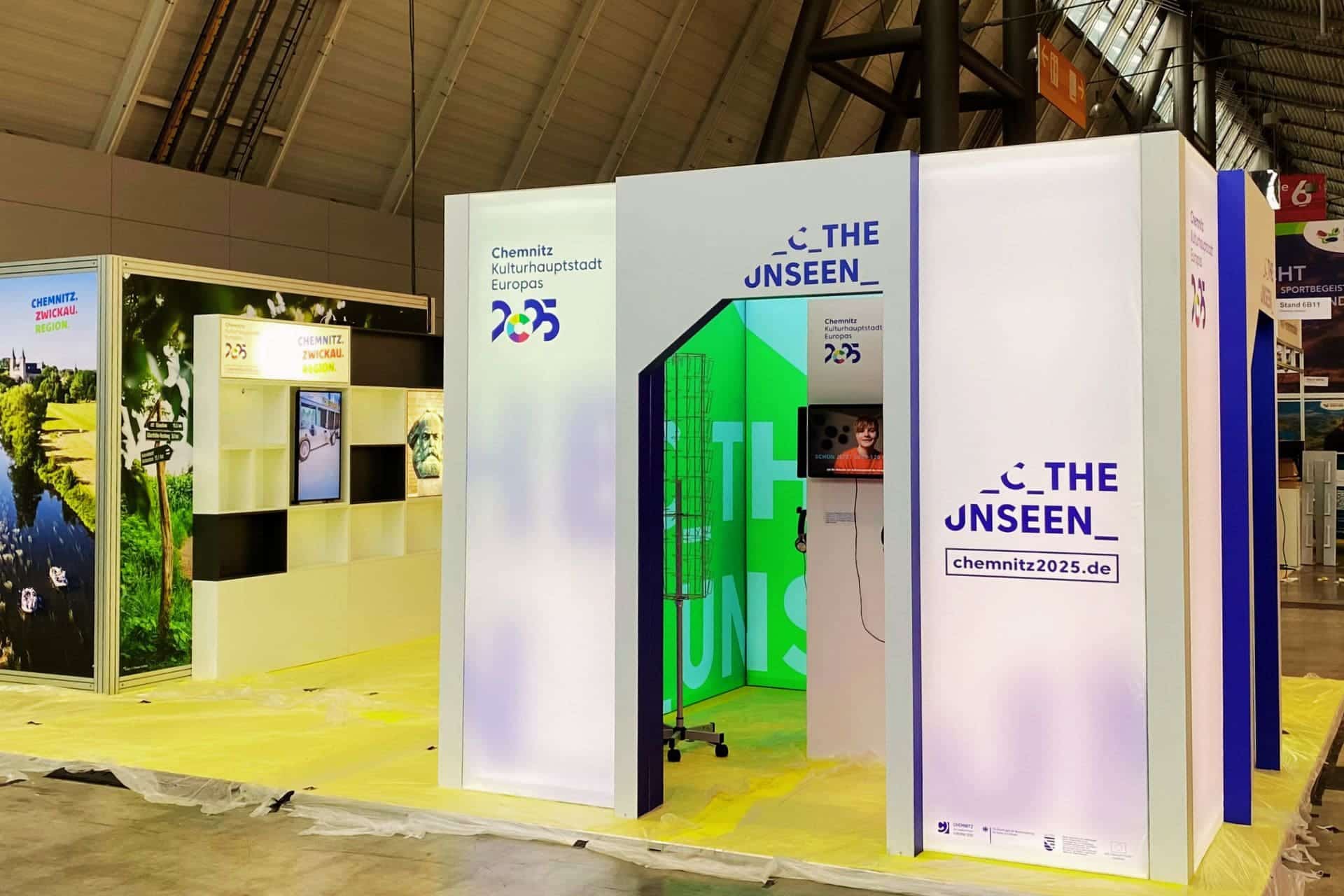
In January, I discovered new travel and excursion destinations in Germany at the CMT in Stuttgart, the world's largest public trade fair for travel and excursions. read more
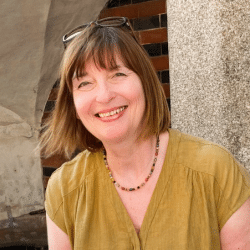
About me: I love to travel, write and photograph - preferably in places where the past is visible. Whether it's half-timbered towns, castles or quiet landscapes - there's something in every place that touches you and inspires you to think further. With my blog Angie's Travel Routes I would like to inspire you to discover Germany on your own. I share my experiences, personal impressions and practical route tips to make your next trip a special experience.
You can find out more about me to my newsletter.

 Deutsch
  English